


I get messages every week from parents of three- and four-year-olds who are already worried.
Should my child know letters yet?
Are we behind in math?
Do I need a curriculum—now?
Not so long ago, I felt exactly the same way. Early childhood feels high-stakes. We’re told these years matter most, but we’re rarely told how to use them wisely.
Here’s the truth I wish someone had told me sooner:
Preschool isn’t about covering content.
It’s about shaping a relationship with learning.
I’ll never forget the first time I walked into a real Montessori classroom. The room was calm—but alive. Children were deeply absorbed in their work. Serious. And yet unmistakably…. happy.
I knew instantly, this is what I wanted for my children. It also clarified something for me. We’ve been handed a false choice: either a childhood full of joy or a serious education.
But why not both?
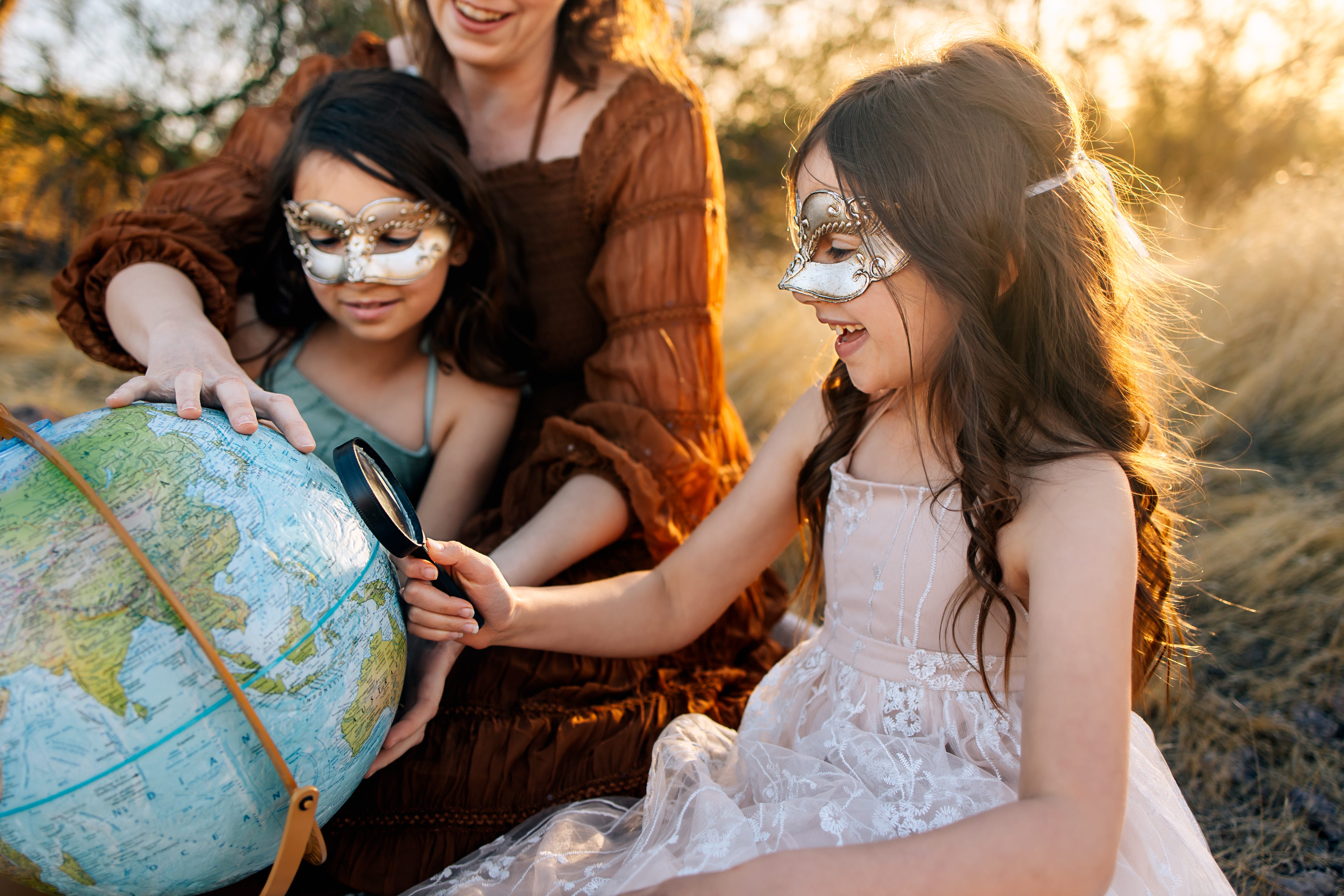
Joy and rigor aren’t opposites. They belong together.
Long before children encounter assignments, grades, or expectations, they are already answering a much deeper question:
Is learning a place I belong?
The early years shape whether learning feels meaningful or burdensome, whether effort feels satisfying or threatening.
The best preschool education teaches children that learning as alive, serious, and joyful work.
What follows isn’t a checklist. It’s a way of living that helps children fall in love with learning itself.
May it bring joyful learning into your home.
Subscribe below for even more articles like this one
✨Language: Falling in Love with Words & Books
A baby’s first love is their mother’s voice.
From birth, infants prefer their mother’s voice—and their native language—over all others. That shouldn’t surprise us. For nine months, a single rhythm of speech was their whole world. In this way, a child’s first relationship with learning is forged through language. The preschool years should work with this instinct.
Here’s how to turn a love of language into a love of literacy.
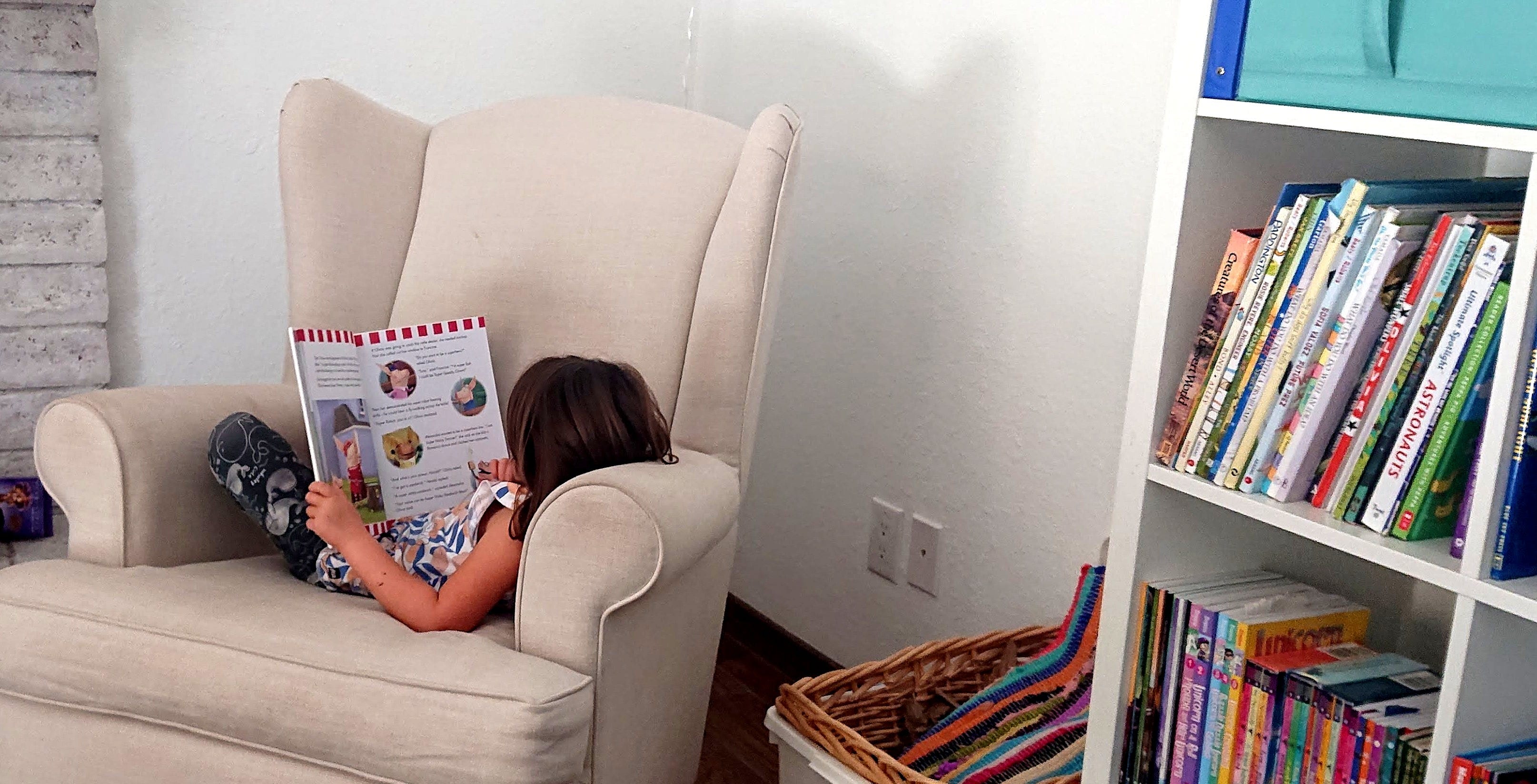
Read Real Books from the Beginning
I read to my children before they could lift their heads. They turned board book pages before they could crawl (see video of my then 3 month old turning board book pages with Dad). Reading with you baby on your lap forges a special relationship with books. They will feel warm, special, and somehow also resemble love.
Reading to your children alone puts a child ahead—but if you want to build a deep and lasting relationship with language, read them classics.
Classics don’t talk down to children. They trust them with rich syntax and beautiful words. Children don’t have to understand everything to absorb the cadence of language.
This early exposure quietly builds the neural foundations for reading, vocabulary, and writing years down the road. It feels natural to learn this way because it’s aligned with typical brain development.
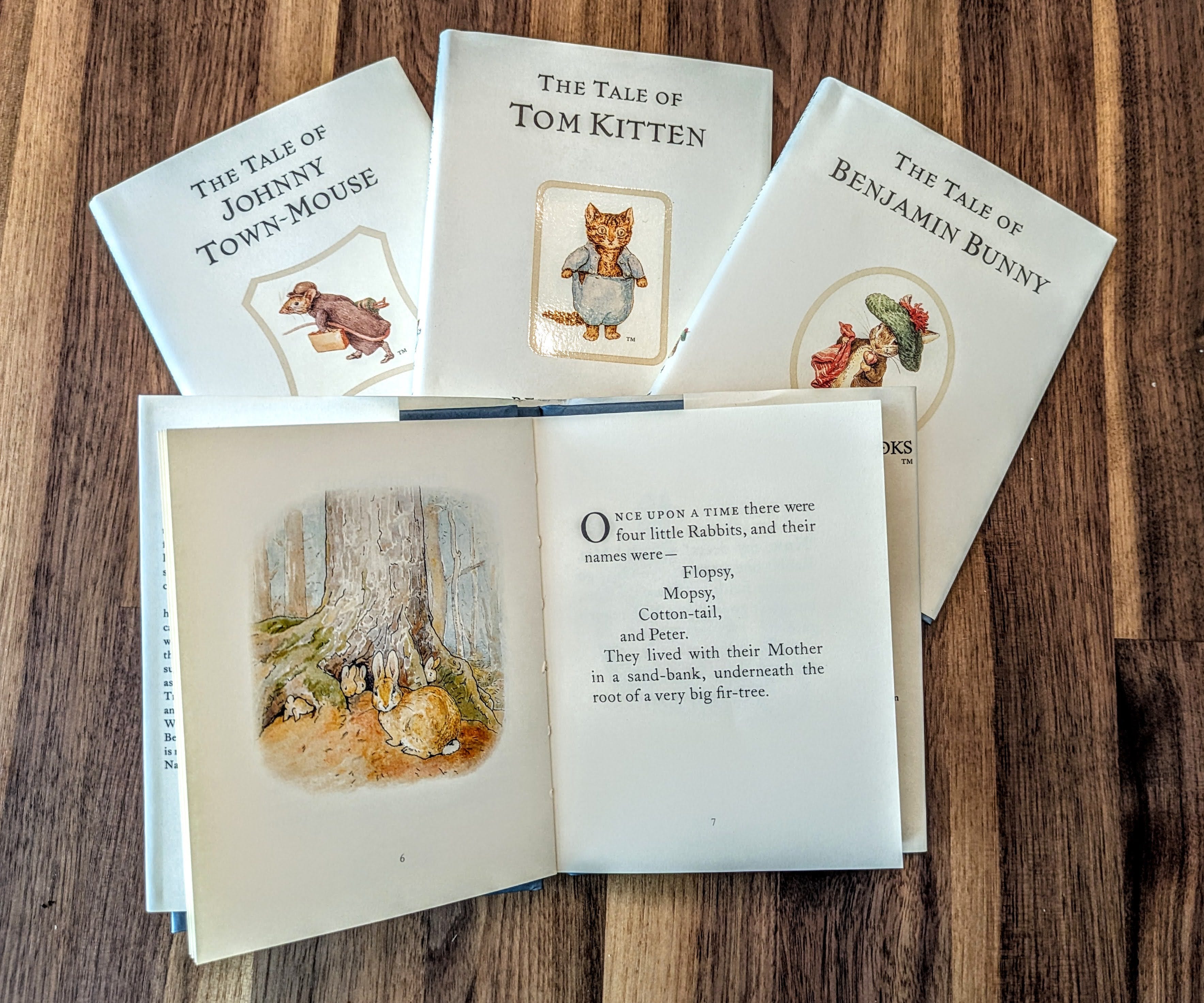
(My favorite read-aloud lists included below & yes Beatrix Potter will be on it!)
Let Them Memorize What They Love
Many children memorize favorite books. Some parents worry this isn’t really reading - and it’s not - but it’s doing something just as important.
Memorization trains attention, strengthens memory, and turns vocabulary into something active. When children repeat big, beautiful words aloud, those words become theirs (transforming passive vocabulary into active usage).
One of my favorite memories is waking up to my oldest “reading” to my youngest—reciting a beloved story from memory with total confidence and delight.
It’s these moments that life comes full circle. They love to read to their siblings because you read to them. Reading is such a gift.
Add Poetry Early
If you want to elevate reading and their future writing, bring poetry into your home.
Poetry trains the ear to the rhythm, cadence, and beauty of words. It teaches children that how something sounds matters. Years later, you’ll see this play out in their writing. They’ll know that how they say something matters.
It will also make Shakespeare feel like a familiar friend.
Think Beyond Fiction — Read the World
Preschoolers loves stories (who doesn’t?) — but they are also hungry for the world. Charlotte Mason style living books, especially in history and science, teach children that knowledge is connected and alive.
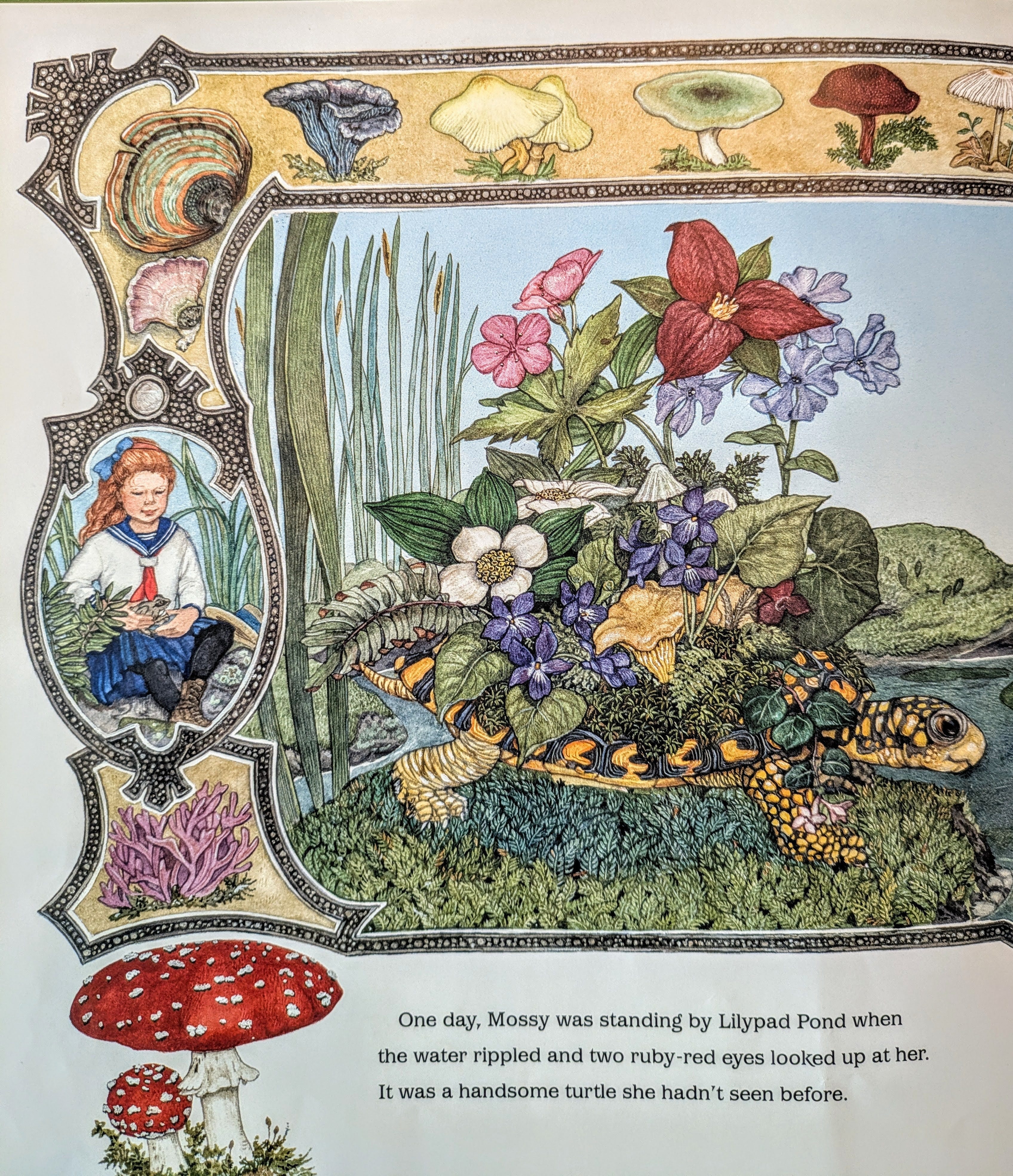
One of our favorites is Mossy, a sweeet story of a tortoise, that introduces children to the flora and fauna of the natural world, with gorgeous illustrations on every page (picture below).
Be sure to have a few of these vibrant books about your home - or go to your library and get a new set every few weeks! That was how we did it in our small home.
Let learning spill over into coloring pages, sketching, or observations of the world around them and you teach them that the everything is worth learning about.
Use Audiobooks as Apprenticeship
Car rides are not a preschooler’s best friend—but audiobooks can make them very sweet.
We listened to books constantly in the car, but not just any books. We listened to classic narrators with rich voices that modeled dramatic orations. Both of my kids picked up a wee bit of an English accent during their early years because we listened to so many great English classics.
Great orators teach children how language moves: pacing, inflection, emotion.
As an aside, audiobooks trained my children that cars and trips are places for reading. To this day, my children never go anywhere without a book—even short trips — reading becomes a natural part of your daily rhythm.
Invite Real Reading—Don’t Rush It
Every child shows interest in reading at a different moment. When that moment comes, be ready to JUMP!
Have gentle early readers that integrate phonics on hand (my favorite one pictured below & I’ll give you the resource at the end). Find some that introduce 3-4 letters at a time and then immediately put them into a story. Having a set of these around the house for that moment - and it will come - that your little says I wanna read it myself! They have to learn just 3-4 letters and boom! They are reading a REAL book!
From this early beginning, they’ll grow and blossom so fast.
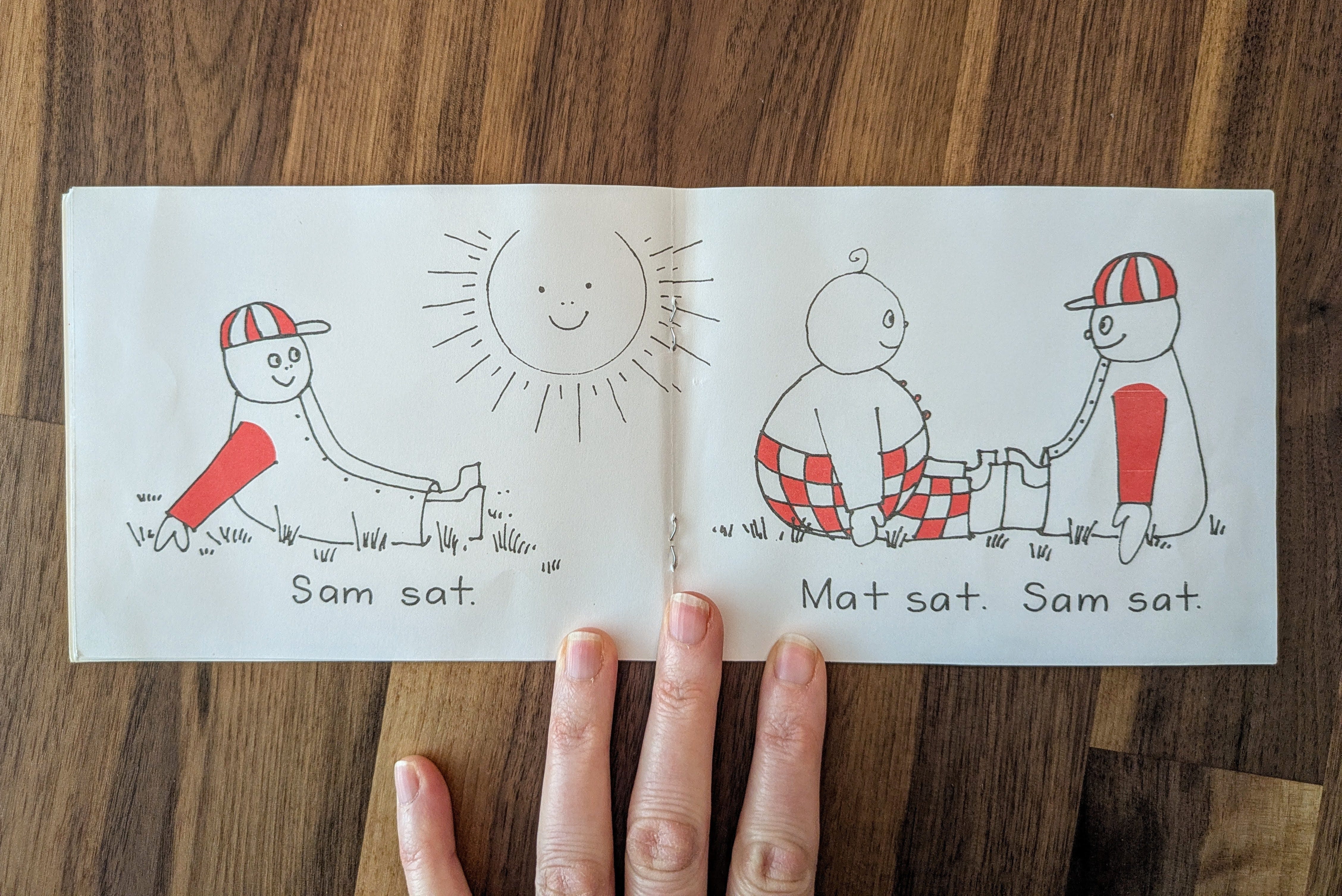
Early reading should feel like an invitation — don’t be surprised when your 2-3 year old shows interest — especially if their older sibling is already reading too.
PS. Don’t forget to play the “word game”. Ask kids what word am I saying? Then say the sounds slowly for a word.. Ex: the sound for the letters “c” “a” and “t” slowly. Do NOT do this in the context of reading but as a GAME! Learning to put together phonemes into words is essential to early reading.
✨Curiosity: Protecting Wonder & Encouraging Questions
Children are born curious—and then, too often, trained out of it.
Study after study shows that children ask fewer questions as they age. Your job is to protect their curiosity and keep the flame burning bright.
Children rarely say, I’d like a science lesson now.
But they often say: Why does the moon change shape?
What are clouds made of?
Why do things fall down?
Questions are the curriculum! Two key ways to encourage and build a foundation of curiosity in your home are….
Wonder Out Loud Together
When your child asks a question—whether you know the answer or not—pause and wonder with them.
That’s a great question?
I don’t know—let’s find out.
Why do you think it happens?
Model the process. Let them see how knowledge is built. By doing this, you teach that questions are not interruptions; they are the beginning of every learning journey.
Teach Them Observation
Help children learn to see — really see things. Start with the sky. Then trees. Then insects. Music. Art. Texture. Color. Shape.
Ask what they notice. Give them sketchbooks. Let them trace leaves, press flowers, draw imperfect, abstract representations of what they observe.
The ability to truly see serves children for life—in science, art, and writing.
I believe so strongly in this I wrote a whole post about it The Path to Polymath: Teach Your Kids to Think Like Renaissance Geniuses.
✨Math: Making Patterns Feel Friendly
Math is often where children first learn to fear being wrong.
It doesn’t have to be.
Your goal in the early years is to help math feel useful, playful, and satisfying to explore.
Build the Brain with Hands
To the brain, math is visual (yes, you read that right). Technically, it’s visuospatial.
Children who have a strong visuospatial working memory perform better in every domain of math.
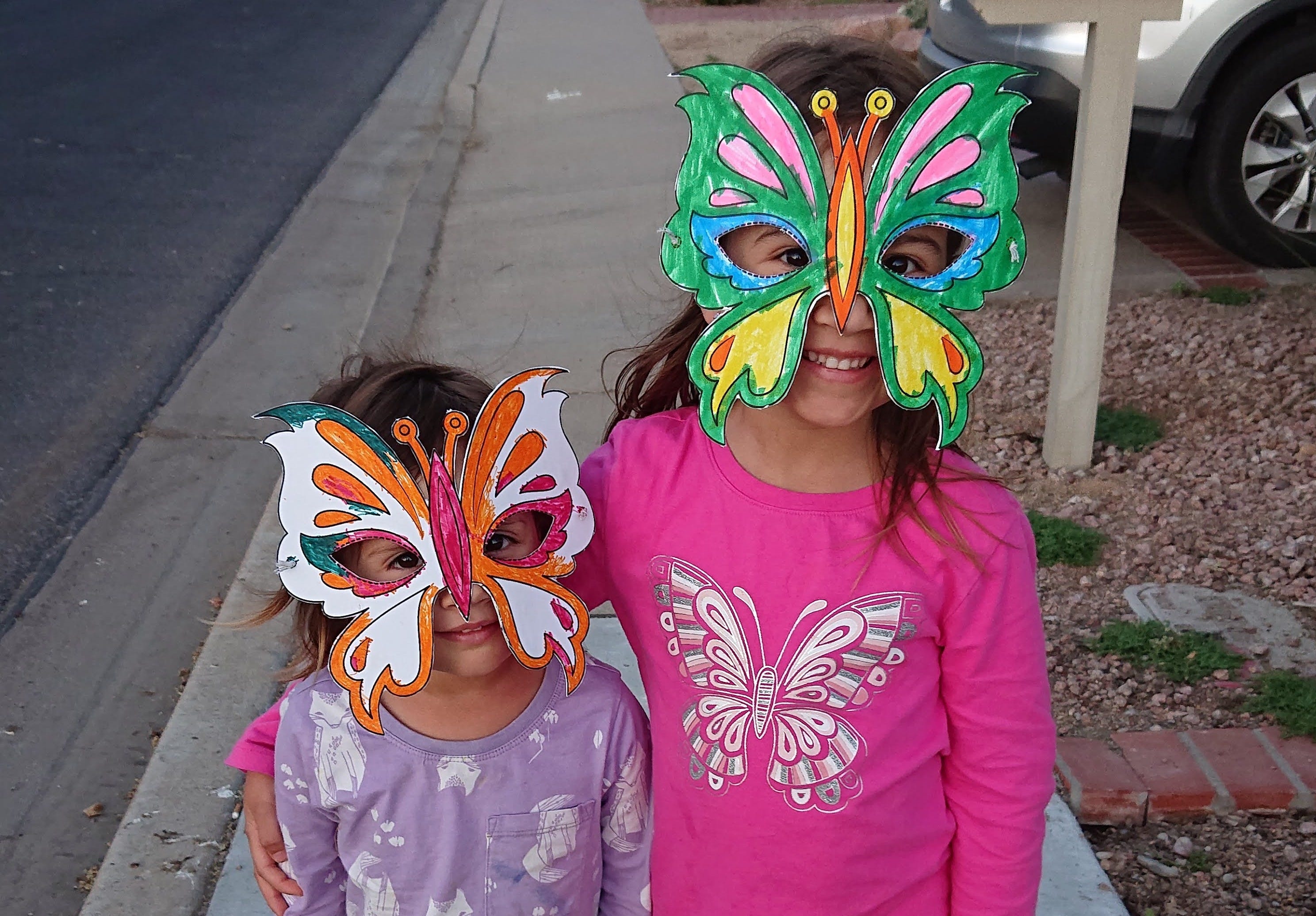
All those hours spent building, cutting and rearranging, folding paper, solving puzzles, or learning finger crafts are quietly training the brain systems math relies on later. This work matters more than we’re often led to believe—so don’t rush past it.
(You can read more deeply on this topic in Improve Your Child’s Math — Without Doing Math. I’ve included a full activity list below & in that article.)
Make Math Musical🎶
Songs teach pattern effortlessly.
I’ll never forget singing multiplication tables in the car with my girls. I was teaching my eight-year-old, but my five-year-old sang right along:
“4, 8, 12, 16, 20, 24, 28, 32, 36, 40, 44, 48-leaf clovers…” I can’t even write that without singing the song in my head. Be sure to count all the things in your life along with these songs!
Sesame Street was onto something friends.
Music makes structure feel safe. Patterns feel playful. Memorization of math facts later becomes easier because the relationships are already familiar.
✨Practical Life: Real Work that Builds Confidence
Children so want to be helpful.
Nearly every veteran homeschooler I’ve interviewed on the podcast—and Maria Montessori herself—emphasized the importance of children participating in the work of a household.
Invite Them into Real Work
Children don’t want pretend chores. They want real ones.
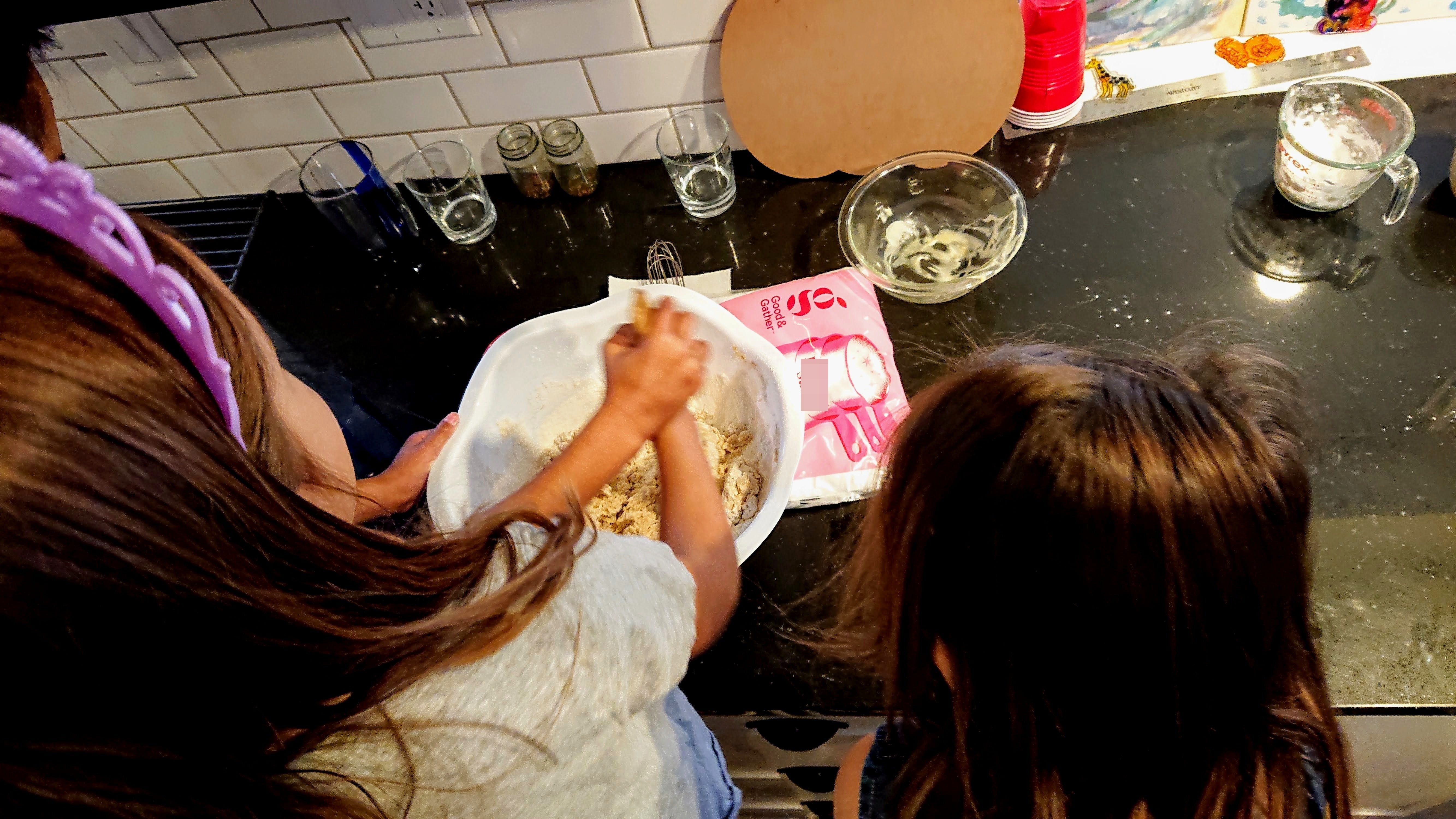
These tasks quietly build confidence: I can bake muffins. I can sweep. I can contribute.
For a three-year-old, sweeping the floor is play. Lean into it!
And yes, it won’t actually be helpful at first - but it’s teaching them when work is real, it’s meaningful - and searching for meaningful work becomes the cadence of their future.
Protect Focused Work Time
One of the most striking features of Montessori classrooms is their alive, yet serious work periods.
I worked hard to cultivate that in my home—not perfectly, but deliberately.
Over time, it became the natural rhythm of our day. Even on vacation, I often find my children quietly doing morning “work”: reading, drawing, crafting. As I write this, it’s Saturday morning and they are listening to an audiobook while making historical paper dolls. I didn’t suggest it to them, it’s simply how they want their day to begin.
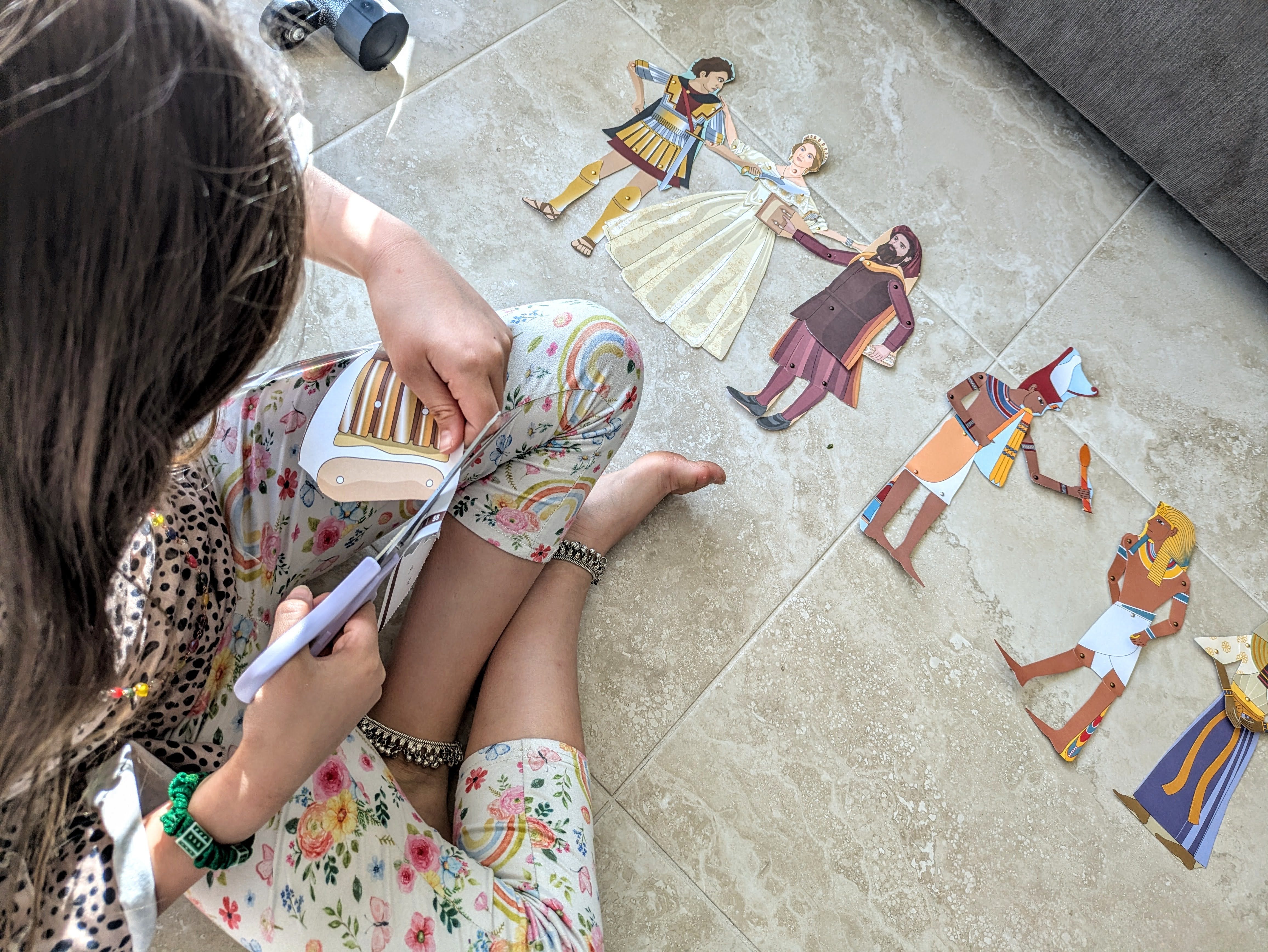
A three-year-old can tolerate a surprisingly long work block—two hours is not unreasonable when the work is varied and shared. Choose a consistent time of day (after breakfast works well). Build blocks, sing counting songs, read together. Include chores. Whatever you do, make it intentional.
Protected “work” time teaches children what it feels like to begin, sustain, and complete meaningful work.
✨Multiple Languages: Keeping Young Brains Flexible & Open
Young children hear the full range of human sound. But between roughly 18 months and 3 years of age, their perception begins to narrow — a natural part of learning one’s native language.
Exposure to multiple languages keeps the brain flexible. It makes future language learning easier—and richer.
If you have a native speaker at home, use it fully: talk, sing, read. If not, it’s never been easier to find songs, stories, and audiobooks online. Exposure alone shapes the brain.
To young children, this feels like play. And it is.
I’ll be writing more about this soon as it’s close to my heart.
✨Unstructured Play: Where Learning Becomes Their Own
Finally, protect what cannot be scheduled.
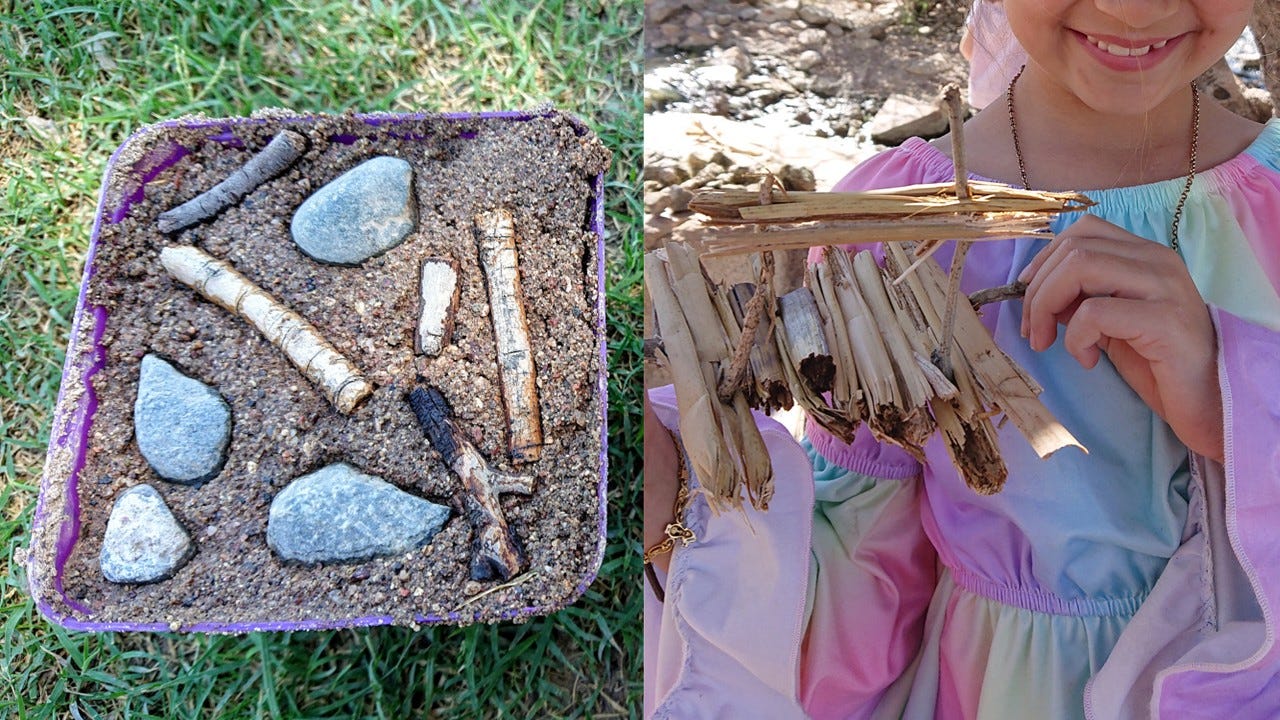
So far, we’ve focused on building a relationship with the work of learning, but a relationship with play matters just as much.
Decades of research show that unstructured physical and imaginative play helps children regulate their bodies, emotions, and attention.
Play must not be scripted. It should belong entirely to the child.
Here, learning becomes theirs.
✨Final Thoughts
Read the real books, welcome the questions, wonder together, sing math songs, share the real work, guard the play.
Do this, and you give your child something no curriculum can buy:
a heart in love with learning.
🌺And that love will carry them—steadily, delightfully—farther than you can imagine.
To my paid supporters - as always a huge Thank You!
Today’s paid subscriber bonus is all the resources I actually used to bring delight and rigor into my children’s lives—from my favorite early readers, math song albums, poetry, and free podcasts. I even included the paper dolls my girls were playing with last Saturday. Enjoy!
PS. This resource list got so long with recommended books, poetry, & podcasts that your email service might clip it! (most common in Gmail) If so, it lives in full on my website. Reach out if you have trouble!