


We all want our teens reading the great classics in high school. But there’s a long road from Paddington to Paradise Lost.
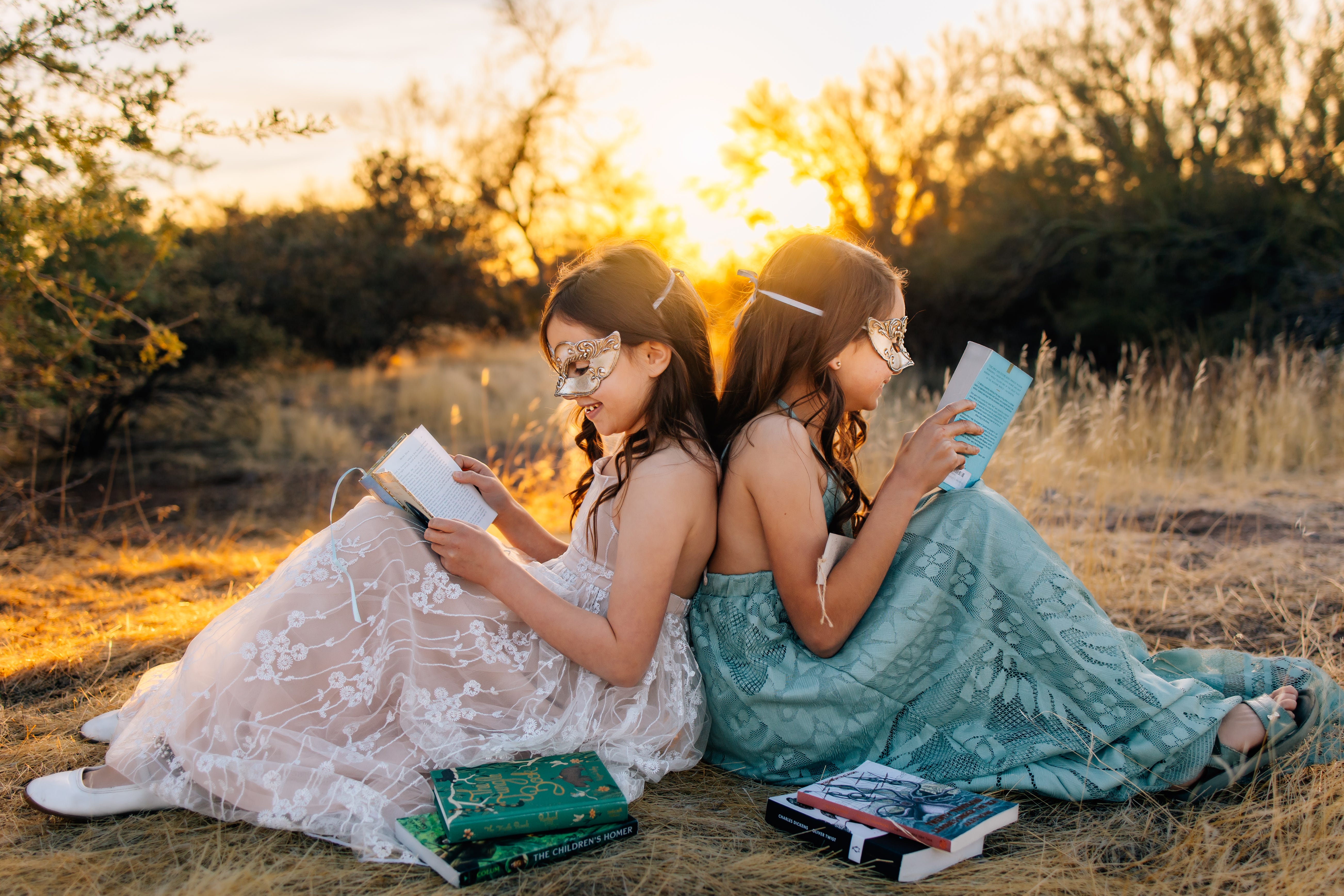
This summer, a 12-year-old friend of my daughter’s came over with Oliver Twist. Her mother had asked her to read it, but she was completely lost. My daughter picked it up and started explaining the first page.
She hadn’t read Oliver Twist. But she had read Dickens.
She knew the cadence of his sentences. She was comfortable with his vocabulary. The syntax, though unfamiliar to many modern readers, was familiar to her.
It wasn’t that she was smarter. She had simply been encountering difficult, beautiful writing for years.
And that was intentional.
A few years ago, I decided I wanted to stretch my children’s literary taste. We’d been reading classics together for years: Charlotte’s Web, The Velveteen Rabbit, The Secret Garden.
These were wonderful books — beautifully written, meant for children, and full of important virtues to discuss. But I wanted to cultivate a taste for intricate, demanding prose.
If I wanted my children reading the greats as teens, they needed years of exposure to complex grammatical construction, unusual vocabulary, and nuanced storytelling — not an abrupt introduction to them in high school.
But they were in elementary school, hardly ready for Anna Karenina or Crime and Punishment.
I needed a bridge between their childhood books and the literature I hoped they would one day choose for themselves.
So I started reading them short stories by some of the best authors who have ever written.
We started with novellas like A Christmas Carol by Dickens and The Old Man and the Sea by Hemingway. But then quickly introduced short stories like The Happy Prince and The Selfish Giant by Oscar Wilde, and Rikki-Tikki-Tavi by Kipling. As they aged, we read The Legend of Sleepy Hollow by Washington Irving and The Gift of the Magi by O. Henry.
Every story was read aloud.
We stumbled over unfamiliar words and sentences together (friends, I’ve picked up some vocabulary). We debated whether a ghost really attacked Ichabod Crane and wondered why the old man kept going when it seemed hopeless.
This simple practice expanded their literary taste. But it did something else, too: it taught them how to stay with complexity. They learned that a sentence doesn't have to make immediate sense, an unfamiliar word can be looked up, and a story doesn't have to unfold predictably for them to keep going.
By the time my daughter encountered Dickens in Oliver Twist, she’d spent years listening to complex, beautiful prose around our dinner table. It was the most natural thing in the world for her to simply pick up the book and start.
So if the great, big classics feel too far away, start with short stories by great authors.
Many take less than 15 minutes to read aloud. But over time, they do something remarkable: they teach children what beautiful, difficult writing feels like — so that one day, they seek it out for themselves.
Where should you start?
Here are my favorite collections of short stories for children, and for paid subscribers, the specific stories I’d choose to read from them first.
Stories and Poems for Extremely Intelligent Children of All Ages. Includes Andersen, Wilde, O. Henry, Twain, Tolstoy, Kipling, Stevenson, and Hawthorne.
Classics to Read Aloud to Your Children, William F. Russell. Short selections from Twain, Dickens, O. Henry, London, Irving, Hawthorne, and others, aimed at ages 5–12. Note this includes a lot of excerpts rather than complete collections.
NOTE: They don’t make anthologies like they used to! I picked up several old ones at our library for $1-2 dollars. I checked, they are out of print now. So here are a few other efficient buys. These are collections of specific authors most are $6-10 with stories deep enough to revisit in high school.
The Selected Stories of O. Henry — We are currently reading this in my home!
Just So Stories by Kipling
The Legend of Sleep Hollow and Other Stories — Washington Irving
These wonderful anthologies and collections can get you started. You really can’t go wrong.
But if you want to skip the trial and error, I’ve done the curation for you.
I pulled together the specific stories I’ve loved most with my own children.
Then asked 26,000 readers for their favorites, too. The stories below are the ones that came up again and again: beautifully written, genuinely engaging for children, and rich enough to spark a great conversation afterward.
For paid subscribers, here’s my curated list, organized roughly by age and difficulty, so you can find the right place to begin.