


My daughter is a gifted writer. At six, you never would have guessed.
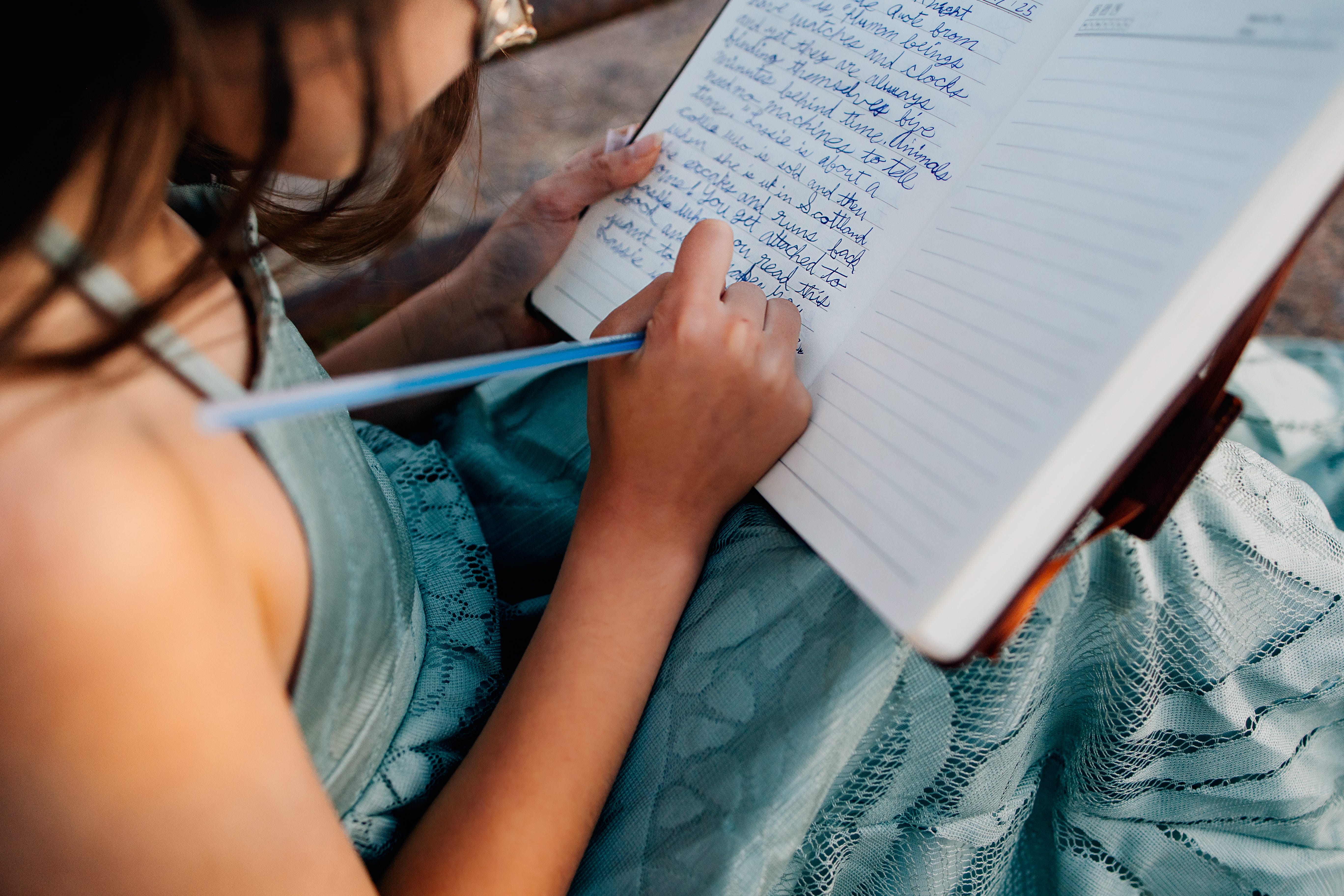
When my oldest came home from school, she hated writing. Anytime we sat down to write—anything at all—she cried.
So for a long while, we didn’t write. I gave her space. I let it settle.
But that couldn’t last forever.
I set out to change her relationship with writing. At 6, she thought of writing as one big test - that she always failed. Wrong letters, wrong order, always critiqued. Writing blistered.
She needed to think of words differently. The goal was simple at first. Be Willing. Willing to come to the page. Willing to play with words. Willing to try.
I never could have predicted what would come. That same child who only ever wrote through tears, today is writing a novel.
What follows is our story. It didn’t unfold neatly. I stumbled. I misstepped. But this collection of ideas are the ones that, together, changed everything.
✨May they help your child find their voice too.
Start with Patience, Not Pressure
The first thing I did was stop pushing. I let it rest. (OK this wasn’t the first thing I tried. But I did do it eventually, and it was absolutely necessary)
Instead, I focused on encouraging writing during her natural play.
“Does your store need a shopping list?”
“Does your restaurant need a sign?”
I helped her spell anything she asked for. I got one of those letter boards so she could see the letters without asking me.
Writing became play. Optional. Low-stakes.
Resist the Urge to Correct
During this phase, I didn’t correct her. It was hard to resist, but my job was to celebrate that she was writing.
For the record, I did correct my youngest at the same age. I fixed her grammar and spelling all along the way.
But my oldest had a bad relationship with writing. My only goal was willingness and joy—everything else could wait.
Find a Door
The doorway to more serious writing came from an unexpected place.
Poetry.
Poetry gets to break the rules. Grammar, capitalization, even spelling is thrown to the wind. But meaning still lives.
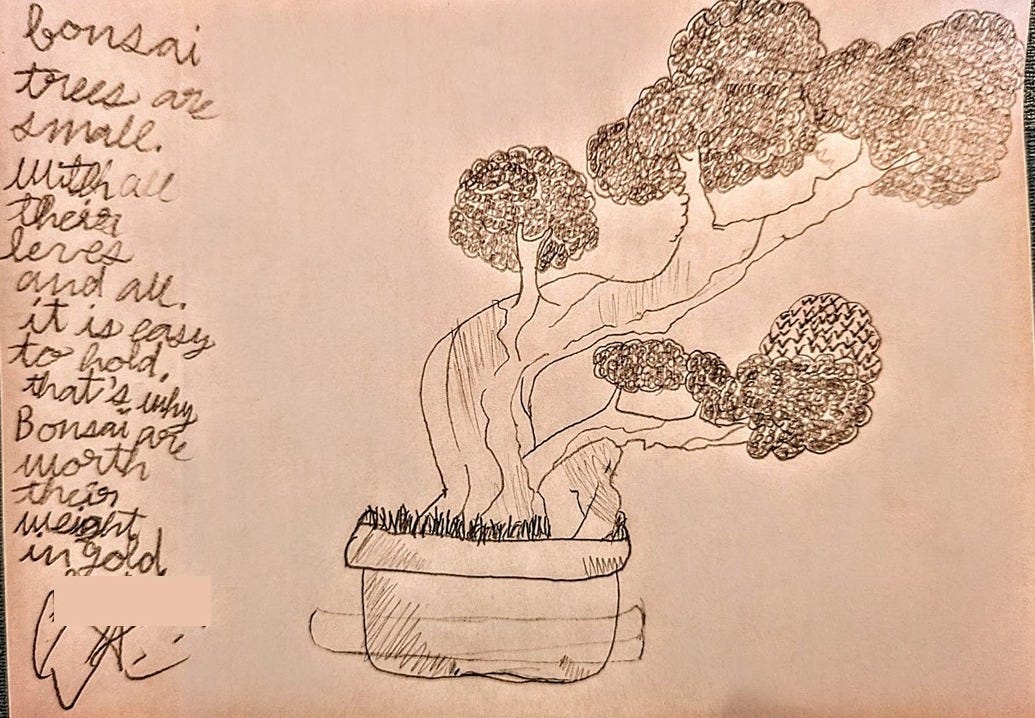
We started with shape poems—words curved into hearts, spirals, animals. They were the first things she ever wrote that she truly loved (example below).
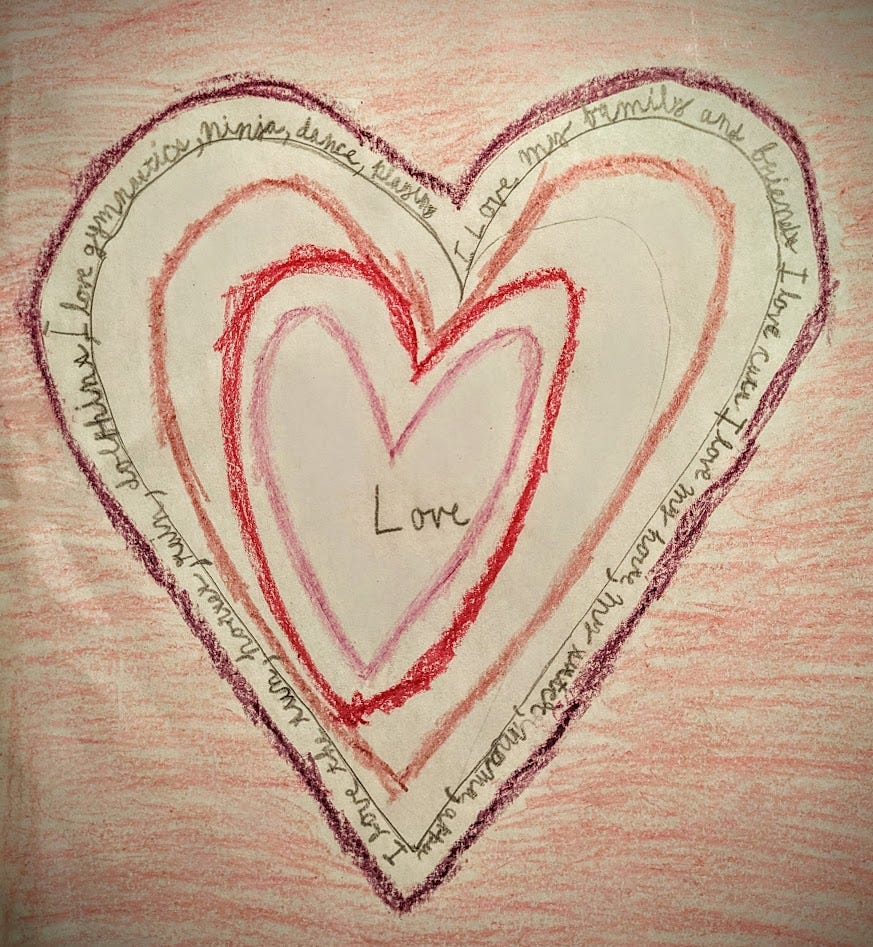
Poetry stayed with us for years—she still writes it into her pieces.
We added haikus next. A haiku follows the pattern 5, 7, 5 syllables. Generally around a single topic. They don’t have to rhyme, they just have to be the right number of syllables. These were like tiny, rhythmic puzzles for her.
“How do you describe a tree in seven syllables?”
“What word means the same as pretty but is only one beat?”
It felt like a game. Underneath, it was teaching precision, rhythm, & rhyme—and I see this early training all over her writing today.
Make Words Friends Again
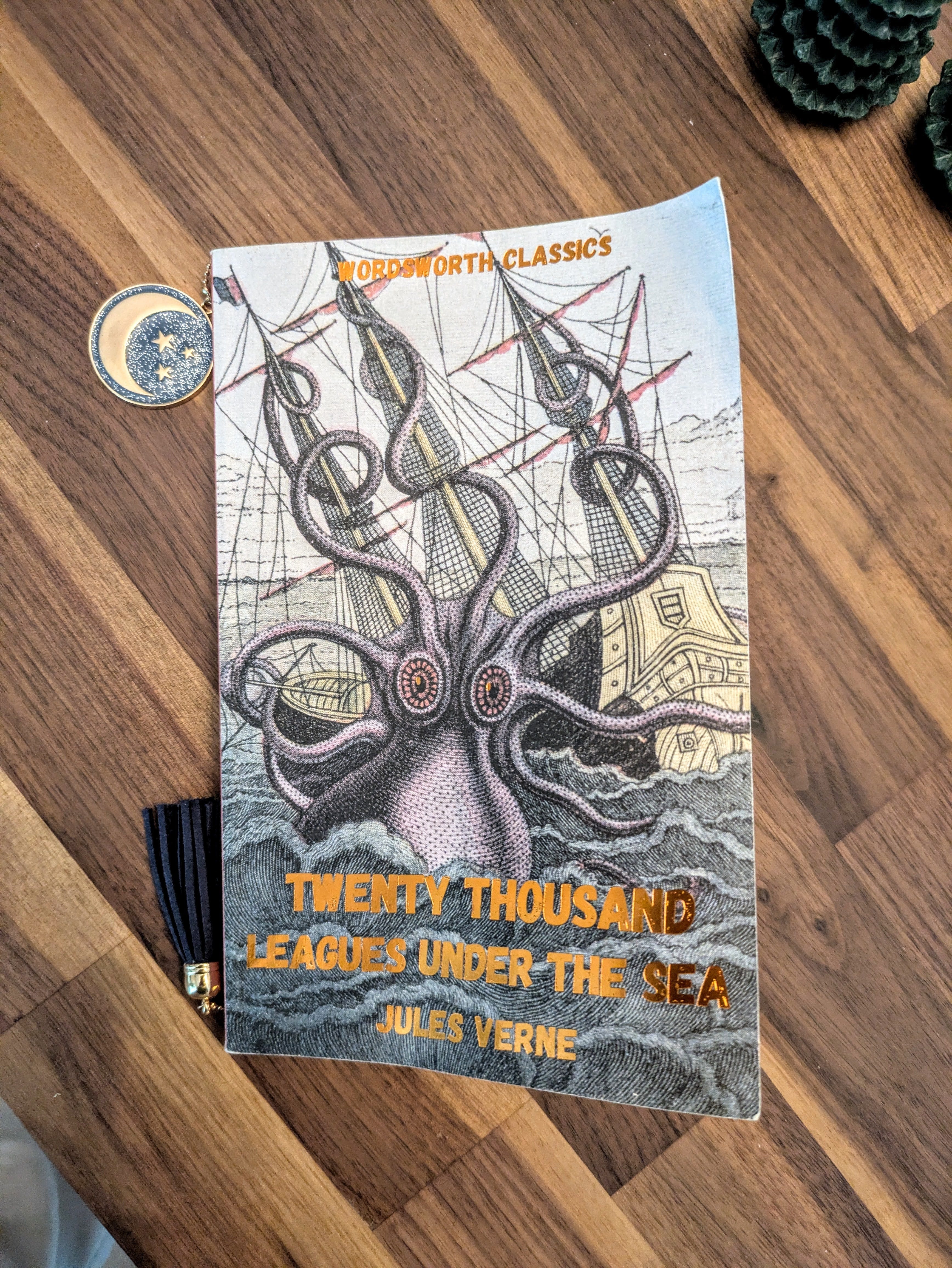
We immersed her in other’s writing. We read constantly. We didn’t just read anything. We read the greats. Hemingway. Shakespeare. Orwell. Irving. Stevenson. Dickens. Again and again.
She didn’t have to produce her own words to belong to them. She just had to live among them long enough for fear to fade.
Let Art and Nature Draw the Words Out
Once she was regularly writing, we deepened the work but again not in the “normal” way. We let beauty draw the words out of her.
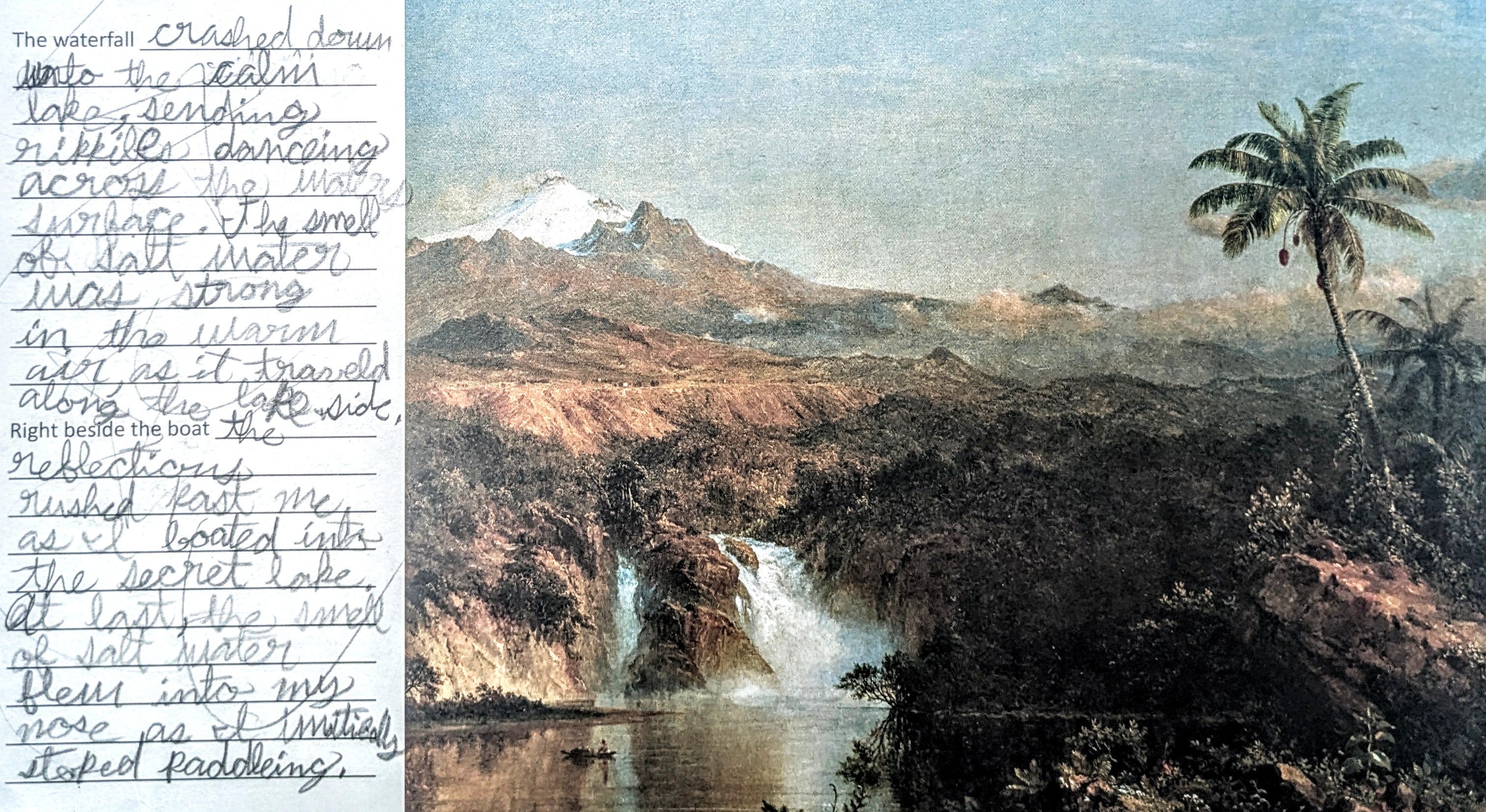
I placed painting, landscapes, sculpture, photographs, and the natural world outside our home in front of her and asked her to write about it. Not stories, not paragraphs, just simple sentences.
What does it smell like there?
Is the air sticky or sharp?
What does the mountain remind you of?
Not just blue—but blue like what?
Writing became a practice of appreciating beauty around us—a way of slowly and carefully noticing the world.
Watch for the Moment It Clicks
One day she was asked to describe a man in a boat. I was hoping for adjectives. Perhaps something like: The old man sat in the gloomy boat.
Instead, she wrote:
“The old man smelled of salt and sea.”
I’ll remember that moment forever. In a million years, I’d never have written something so sweet, simple, and elegant.
Then, she just kept writing like that—placing you inside scenes, pulling these incredible words out of the air.
From here, I had new goal → Help her find her voice.
Easier said than done.
Borrow a Voice, Then Find Her Own
Some children write easily, but my daughter needed a muse.
So we studied other’s great writing together. We broke down stories into pieces. What makes this story compelling? (I’ll tell you how we did this - and you can too - later)
She learned to outline, identify key moments, and rewrite them—sometimes in her own voice, sometimes mimicking the unique cadence of another’s voice. We once rewrote Song of the Vineyard from the King James Bible. She typed the following (sorry no cute kid handwriting, she typed this lesson).
Notice how the language is ‘old-fashioned.’ It’s not perfect (she was 10, friends). Also, note that the first sentence rhymes - this is what poetry training leads to!
And now I will tell a tale that has been told many a time of someone I love, who is very divine. He whom I love tended to his vineyard. He made a wall around it, planted the best of vines in it, and cleared a space for it. And when he asked for grapes it brang forth wild grapes. Now, the one whom I love went to ask for judgment, “What more can I do? I asked for grace and it brang forth wild disobedience! But I will tell you what I shall do. I shall tear down the wall and it shall be trampled on, I will pull down the vines and they shall wither and shrivel, I also will command the clouds give no rain.” So take heed for this could happen to you. ~My then 10 year old
As her confidence grew, we played with words more boldly to make them her own.
We reordered stories, shifted perspectives, changed endings, moved locations, made passages longer or leaner (resources coming). Other people’s writing became raw material—something she could reshape into her own.
Make Room for Their Stories
All along, I nudged her toward her own ideas.
I bought her notebooks. I listened as she told stories out loud. I encouraged her imagination without pushing her to pin it to the page.
Let One Big Project Gather It All
Last Spring, we held a curiosity fair. I asked what she loved most.
“History,” she said.
After a beat, “and writing.”
Writing! Friends, she said writing!
What if, I asked, we combined them?
And just like that—my child who hated writing, started a historical fiction novel.
She now writes an hour a day. She continues to work on her novel, but is also producing original, competition-level short stories. I brought in a writing instructor to help her navigate her growing ambitions.
I don’t know whether she’ll ever win awards. I don’t know if she’ll make a living as a writer.
But I do know this: she loves writing now.
And that joy, that freedom, that willingness to meet the page—is a gift no one can take from her.
I hope some of these ideas inspire you to think differently about helping your child find their voice.
If you’d like to walk our exact path—including the specific poems, games, books, resources, and curriculum we’ve used (plus how we gently layered in grammar and spelling)—including FREE or DIY options. I’ve put together all those details together for paid subscribers in this week’s bonus below.