


✨Most parents will see their children learn to read. Few will see their children enter the literary tradition.
There’s such a rush to get kids reading. I remember it well. The ever-present fear: Why aren’t they reading? They need to be reading. Reading feels like the most important milestone in a child’s early educational life. And in many ways, it is. It is essential — critical to, well… everything.
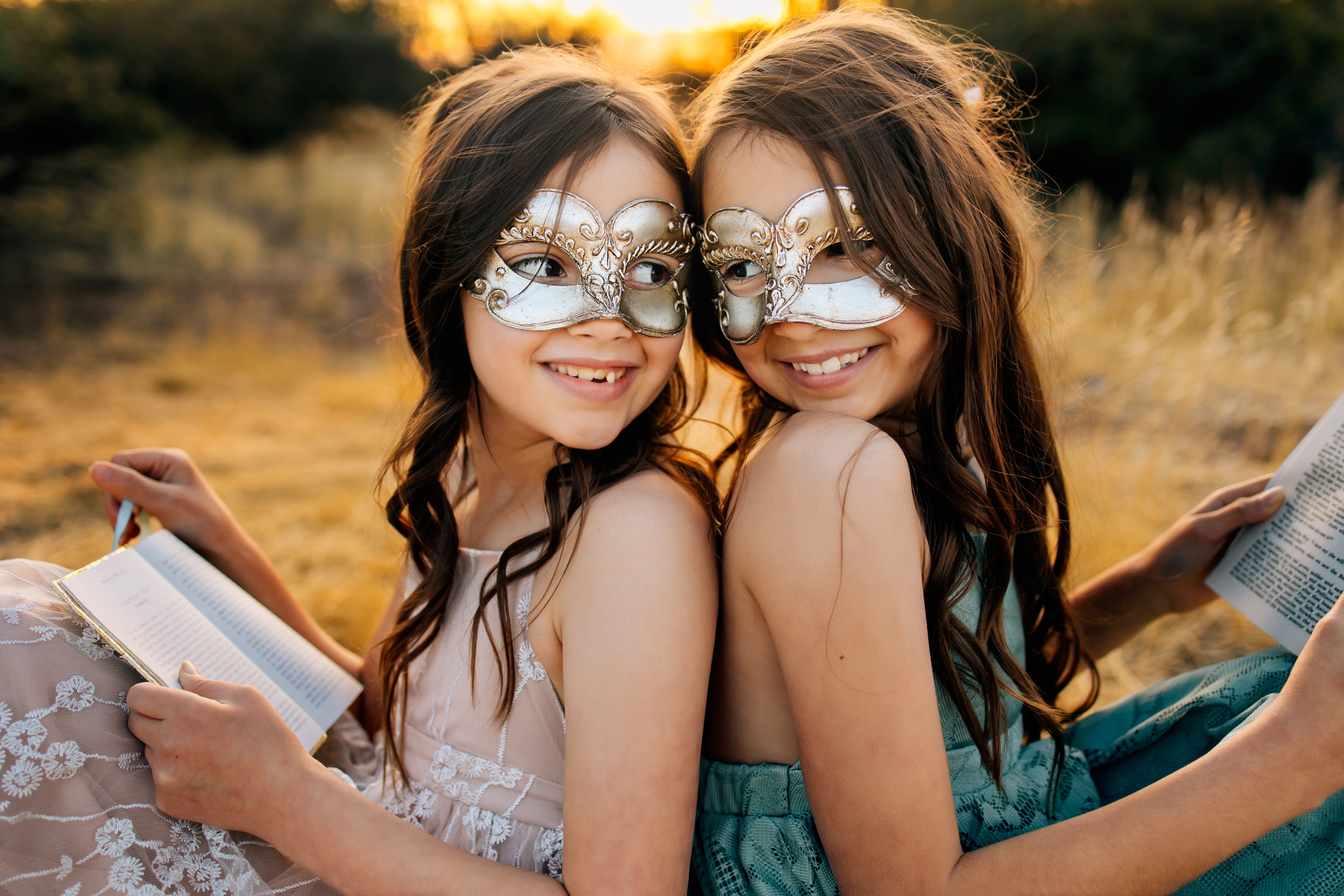
But once kids can read, we often shift too quickly to a different set of priorities: math, history, philosophy, science, logic, computer programming, music… and on and on. All beautiful. All important. But shifting too soon is a mistake.
Learning to read is just the beginning of our children’s life with the written word — or at least it should be.
Our goal in the years after our children learn to read is to help them see past the words of a story and into the message that lies beneath. To help them wrestle with courage, sacrifice, grief, justice, beauty, and mercy through stories — not as abstract lessons, but as living truths they encounter alongside beloved characters.
If that seems a bit lofty for 3rd grade — you’re not wrong. But if we gently, joyfully pull our children into richer, more complex texts, if we ask them to rise to challenging ideas, enter fantastical worlds, and notice the deeper truths an author is trying to reveal — well, then they begin to think far beyond their age.
This won’t happen right away. Please don’t stress that your 8-year-old isn’t here yet (mine weren’t). Getting there takes time, patience, and story after story after story.
But not just stories. Conversation. Comparison. Reflection.
We must read alongside them, and let the great stories do their slow, transformative work.
If you feel overwhelmed, I felt the same way once.
I read so many lofty, aspirational posts from incredible writers and thought, Yeah but HOW? How do you do this on a practical level. What does this look like day-to-day. What am I supposed to actually do?
But after doing it imperfectly, we found our way.
My elementary aged children read C.S. Lewis, Dickens, Orwell, Tolkien, Jules Verne, Louisa May Alcott — and, as many of you know, have a bit of a love affair with Shakespeare.
Below, I share everything I learned.
🌺May it help your children enter the literary tradition with joy.
Ready? Let’s go.
Next week, we transition to Falling in Love with Writing. If you’d like it in your inbox, you know what to do.
In the prior post, we focused on falling in love with reading. We wanted children to see themselves as readers and build the habit of reading.
Now we set our sights higher.
In ages 8–10, we help our children build:
Literary Taste: An appetite for great books
Literary Language: A Love of Words (e.g. vocabulary)
Literary Analysis: Seeing Beyond the Words
Let’s find the joyfully, rigorous path to the literary tradition.
✨Literary Taste: An Appetite for Great Books
Keep What’s Working
Before we even start to think about changing anything. Look at your home. What’s working? It might be read alouds or that dragon book series your kids can’t put down. Whatever it is — don’t change it!
In our attempts to get children to read “better” books, we can undermine what we worked so hard to build.
So, keep what is working.
And don’t scoff at below-grade-level books. They build fluency, confidence, and practice. Everything I describe below should be layered on top of a strong reading habit, not replace it.
(If your child doesn’t have a strong reading habit, see Q&A at end or the prior post).
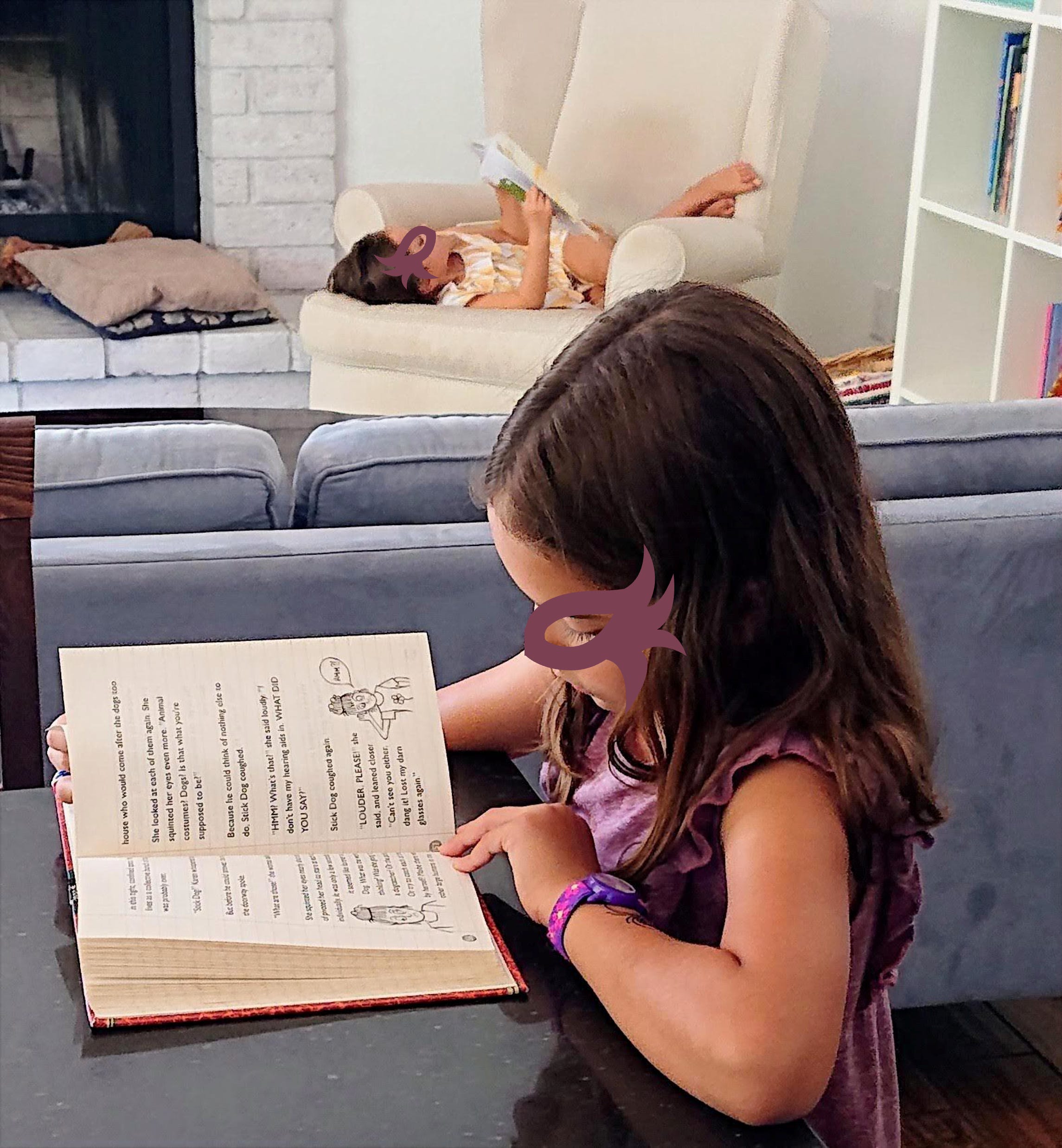
Every Book You Want Them to Read — Read to Them
To read more advanced books, children need a large vocabulary (more in a minute) and the skills necessary to decipher complex sentences and story.
The best way to do that? Together.
Think of bringing your children into the literary tradition as an apprenticeship. Through read-alouds, we expose our children to richer vocabulary, unfamiliar genres, different historical periods, and more complex language than they could comfortably read alone.
Pick books 2-3 grades above their reading level (yes. really). Kids can understand language far above what they can read themselves.
This is how we gently stretch children.
PS. Make sure to include The Four Stories Your Children Must Know to Read Everything Else.
Introduce Stretch Books
From ages 8-10, it’s important that children learn to take books that challenge them.
Here again, we start together.
Both my children read to me through 4th grade (9-10). Because we were reading together, I could encourage books of increasingly complex language, and I could check to ensure it wasn’t too much. I wasn’t just “checking” their reading. We were learning to work through complicated plots, puzzle out unfamiliar words, and above all, learn to love books together.
From this foundation, children can begin to pick books on their own — but you still need to….
Curate Their Choices
Not all books are created equal. Talk openly with your children that some books nourish them while others are just for fun. There’s nothing wrong with “candy” books, but they shouldn’t be the main diet of our children.
When my children were younger, we relied heavily on the library, but as they grew older the library no longer suited. Sadly, libraries aren’t the bastions of culture they once were.
So we began building a home library.
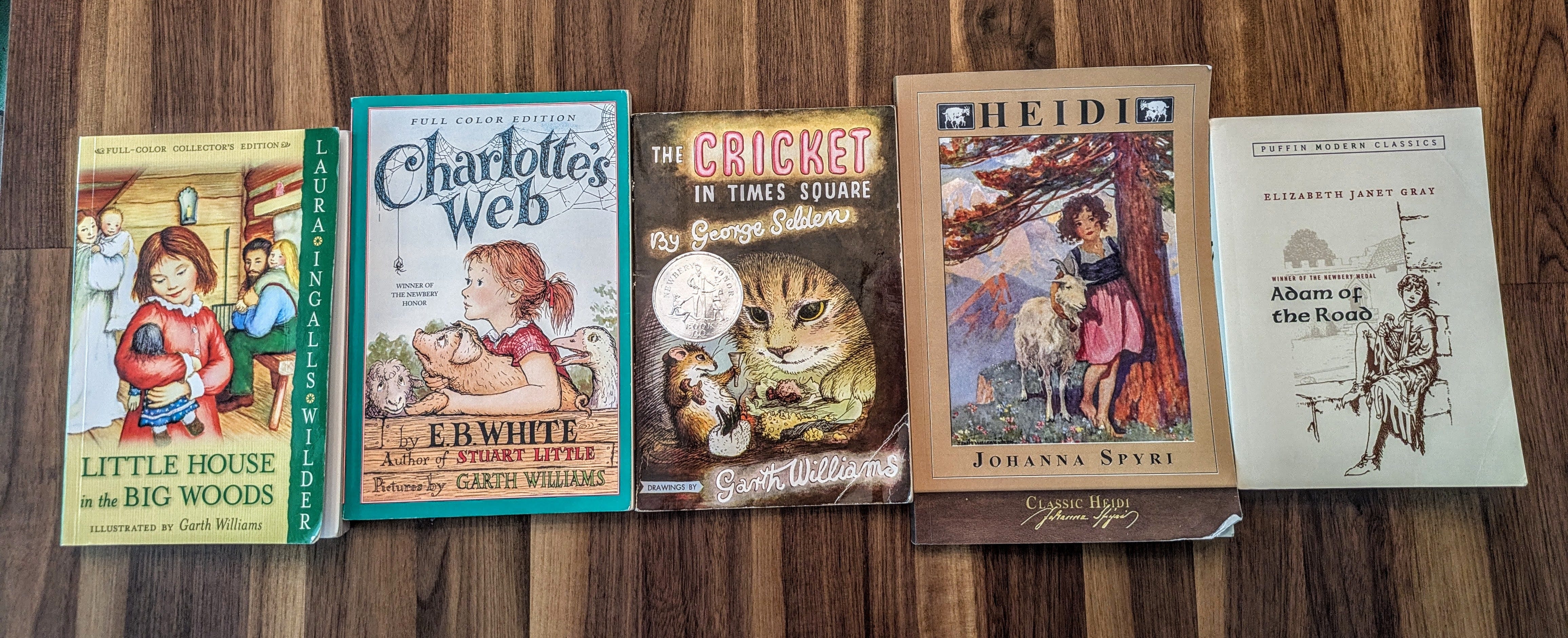
I populated our home with rich, wonderful options. I also let my girls chose from curated lists of award winners or book selections from trusted sources (My favorites in the Q&A section).
We want children to have a real choice — but from a collection of books we would be delighted for them to choose.
✨Literary Language: A Love of Words
The Best Vocabulary Curriculum Is a Bookshelf
The importance of growing your children’s vocabulary during these years can’t be overstated. This is the final stretch of heightened memory and language acquisition. (For more read High School is Too Late for Shakespeare). But that doesn’t mean vocabulary quizzes. The best way (in these ages) for new words to be learned is through exposure and usage.
In the early elementary years (ages 5-7), children are learning “high frequency” words — words that come up naturally in language. Hearing words in context often gives children a ton of practice, so they pick them up easily. But this changes as kids enter the ages of 8-10.
Now, new words become scarce in everyday conversation and more complex often requiring explanation: concede, erratic, impulsive, malleable, gnarled, pensive, shrewd, succinct, tedious.
What are we to do?
Read them richer and richer books — but not just that. You need…
A Family Culture of Figuring It Out
When you come to a word that’s new to your children, ask…
“What do you think that word means?”
“Would you use a different word?”
These two simple questions encourage children to instinctively think about words and discover their nuance.
Better yet, do it with them!
Pick stories that challenge you — and work through hard words together. Last fall, we read The Legend of Sleepy Hollow (see below). If you haven’t read it in a while it’s got great gnarled, archaic words. We had to stop often and look vocabulary up together.
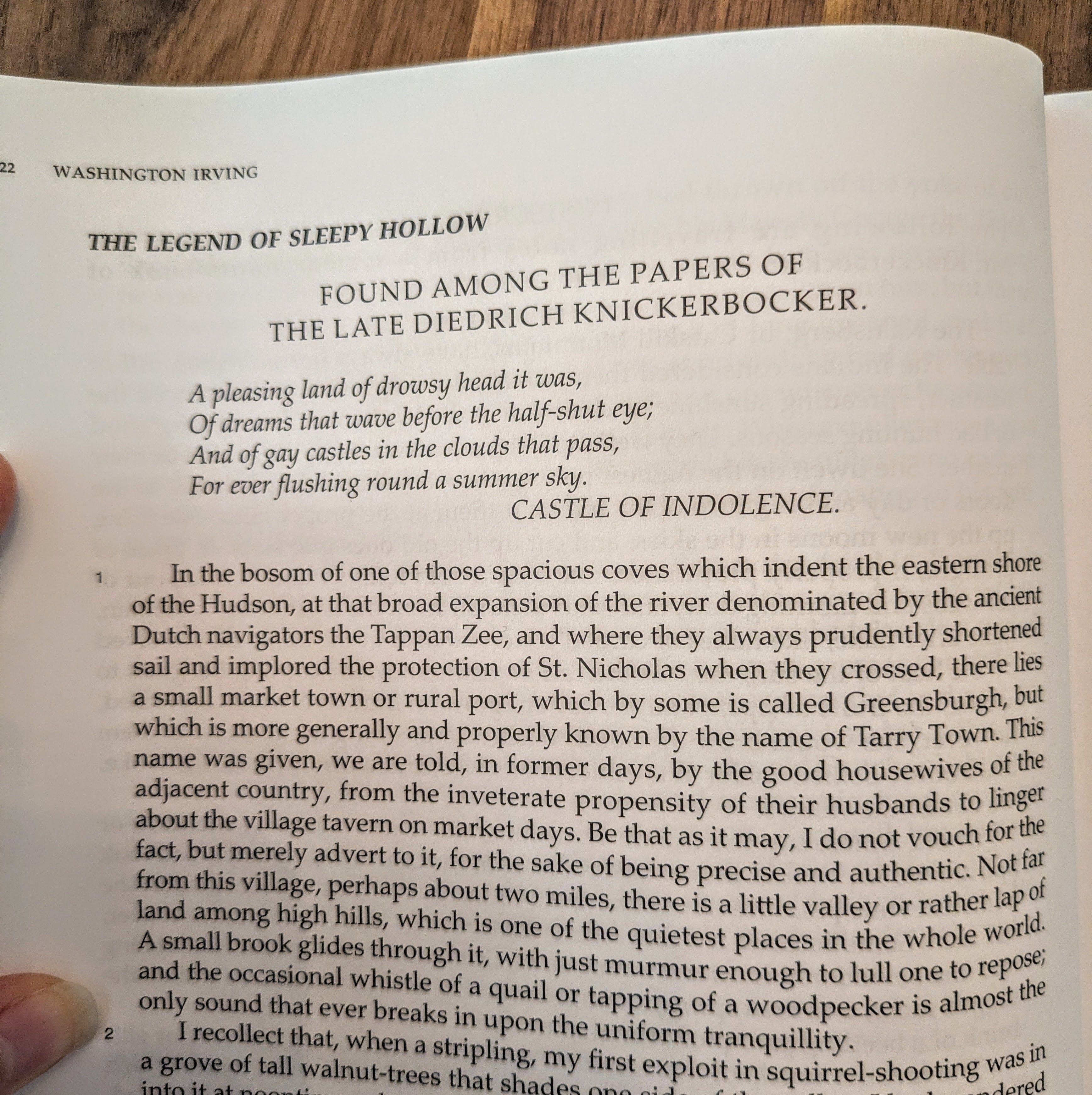
By doing this, you aren’t just teaching your children words but something far more powerful — how to find out words on their own. That lesson will serve them far more than any vocabulary list.
Encourage Active Use
A child doesn’t truly know a word until they begin using it. Celebrate sophisticated language when it appears. Big words from sweet, little mouths is one of the most precious things you’ll ever see. Appreciate their language — tell them “what a big, beautiful word.” If they get it wrong, don’t laugh — start with praise and then gently suggest a better word or sentence. But it should feel like a gift not a criticism.
Criticize too much and they’ll stop trying. Their language becomes smaller, and we want children who use sophisticated words as their natural expression.
✨Literary Analysis: Seeing Beyond the Words
Choose Books Worth Discussing
Not every book lends itself to deep conversation. One of my biggest mistakes was starting with books that were simply too much.
When I gave my girls Little Women, they had many, many opinions. When I gave them The Old Man And the Sea, they appreciated the language and the imagery (a beautiful book to read to your children btw) — but didn’t have much to say about the meaning. Afterall, it’s about age and time. They are still quite young.
Children are best able to discuss books whose themes connect directly to their own experiences and age.
Start Small: Short Stories, Poems, & Great Sentences
Our best discussions often come from short stories & poems — not lengthy novels. Short stories let children hold the whole story in their minds at once.
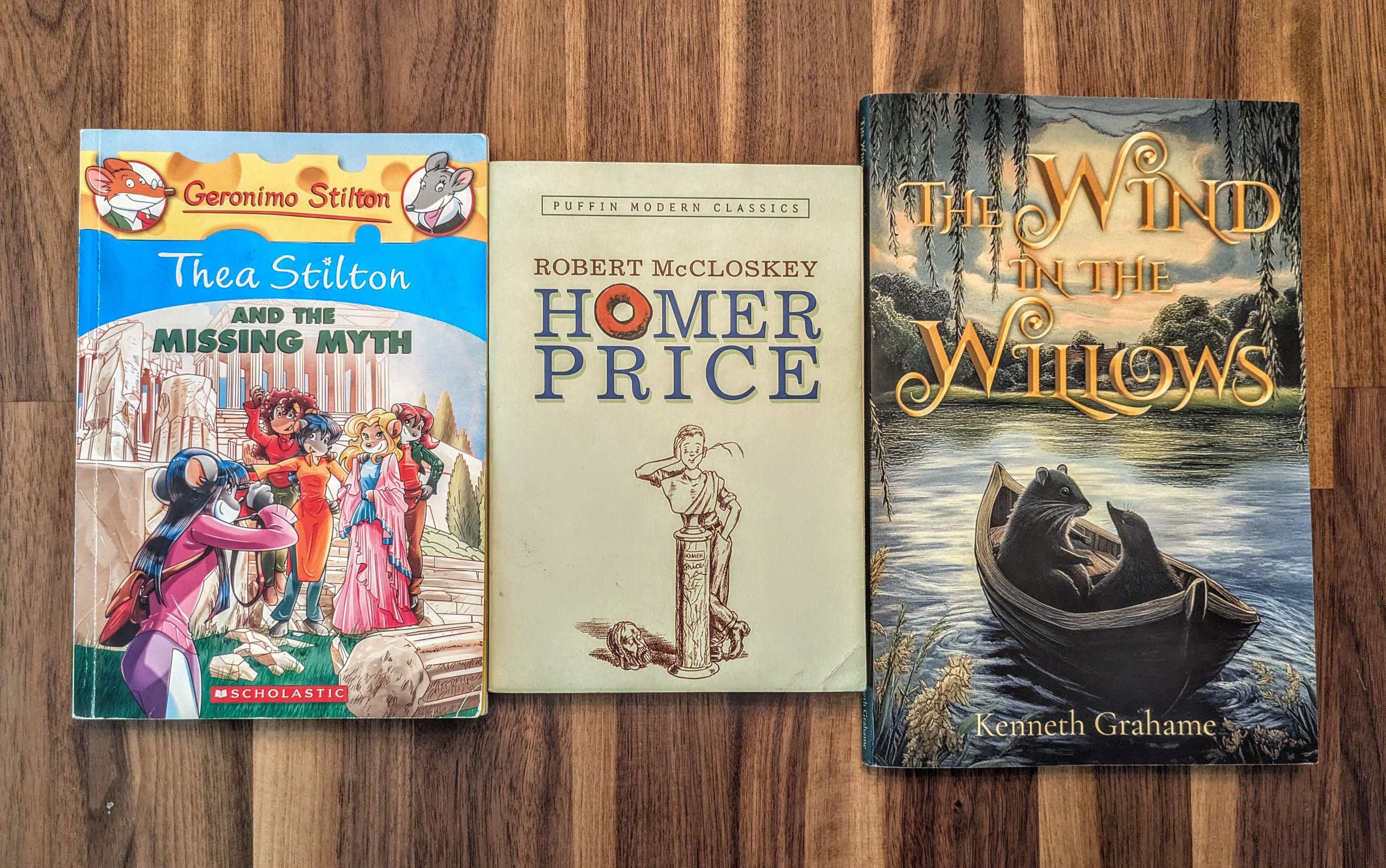
We once spent 30 minutes discussing a single sentence from The Wind in the Willows. It’s still one of my favorite conversations.
Don’t feel you need to start literary analysis by going big. Go small instead (my favorites to start on later).
Teach Them to See Beyond the Words
Ever wonder why we spend so much time teaching children to read fiction?
If stories were merely entertainment, we wouldn’t bother stretching them with Dickens or Shakespeare. We could stop with books that are easy and enjoyable.
The point of literature is not simply to make children better readers. It is to help them become wiser, deeper, more compassionate human beings.
But how? How do we do this?
This was the hardest part of entering the literary tradition for me personally. I was a STEM kid.
But then, I found the progymnastmata (ancient Greek pre-exercise) that makes working through complex texts simple and dare-I-say pleasing.
Three Questions That Unlock Great Stories
Question 1: Enter the Story — What do you recognize?
With this question we ask children to be a part of the story — to relate to it. It starts with young children saying “I’ve seen a bunny rabbit before" while reading Beatrix Potter. But older children will say “I know what it’s like to want to be free” while reading My Side of the Mountain.
Then one day, your children will start recognize stories allusions to other stories. This week my children said “You know Anne of Green Gables reminds me a bit of Jo in Little Women.” Montgomery was heavily influenced by Alcott — and my girls picked up (and with time your children will too).
Question 2: Understand the Human Struggle — What suffering is there?
It is through suffering that our characters learn lessons. Every memorable story asks something of its characters. They must lose something, sacrifice something, endure something. And because they suffer, they change.
Characters die on the page so that we might live better lives ~ Abraham Verghese.
Children know what it feels like to be lonely, frightened, embarrassed, or left out. When they learn to notice suffering in stories, they begin to understand not just books, but the human experience.
Characters can suffer physically through climbing a mountain or facing a serious foe, but they can also suffer emotionally from guilt, fear, or despair.
It is from this suffering that characters are propelled to make changes or learn that their choices were poor ones. By asking about suffering, we ask children to become a part of the story and get in touch with the characters.
Question 3: Watch Transformation — What is the reversal?
If a reversal doesn’t happen, the story will feel empty. Often the best stories, the reversal is the largest most distinctive part of the story.
The mighty king falls, the orphan finds a home, Scrooge changes his life. But of the three questions, this can sometimes be the hardest to see because sometimes the change is internal — and that brings us to the final note.
Seek Wisdom in the Author’s Message
Once these three questions are answered, comes the most rewarding part, but also the trickiest. It doesn’t always have a “right” answer.
What is the message? What is the author trying to teach us? The point here isn’t to focus on perfection, but rather how did the story speak to your child? What do they see?
It’s OK for the first answers to be simple. After reading Black Beauty my daughter said “We should be nicer to animals.” That was really the point of that book. Are there deeper mysteries? Probably. But for an eight-year-old, that was enough.
✨Take a Deep Breath
This work is slow. Be patient, and you will be rewarded.
You are not simply raising children who can read — you are raising children who know how to sit with beauty, wrestle with truth, and let stories shape their souls.
Most parents will see their children learn to read.
🌺May you have the extraordinary privilege of entering the literary tradition with your children.
If you’re still wondering, “Yes… but what does this actually look like in real life?” I’ve gathered more for you below.
I’ve included:👇
Answers to questions I’m asked most often
My 9-year-old only wants graphic novels. Is that okay?
How do I know if a book is the right stretch level?
Should I make my child finish every book?
Are we behind? Is it too late if we’re just starting?
I also share:
The weekly reading rhythm that works in our home
How I curate books without killing the joy
The resources, book lists, and award lists we actually use
A complete worked example of the literary discussion framework
✨Paid subscribers are also always welcome to ask their own questions — either privately or in the comments — so we can continue learning together.
PS. The Q & A and resources got so long your email service might clip it (most common in Gmail). If so, it lives in full on my website. Reach out if you have trouble.