


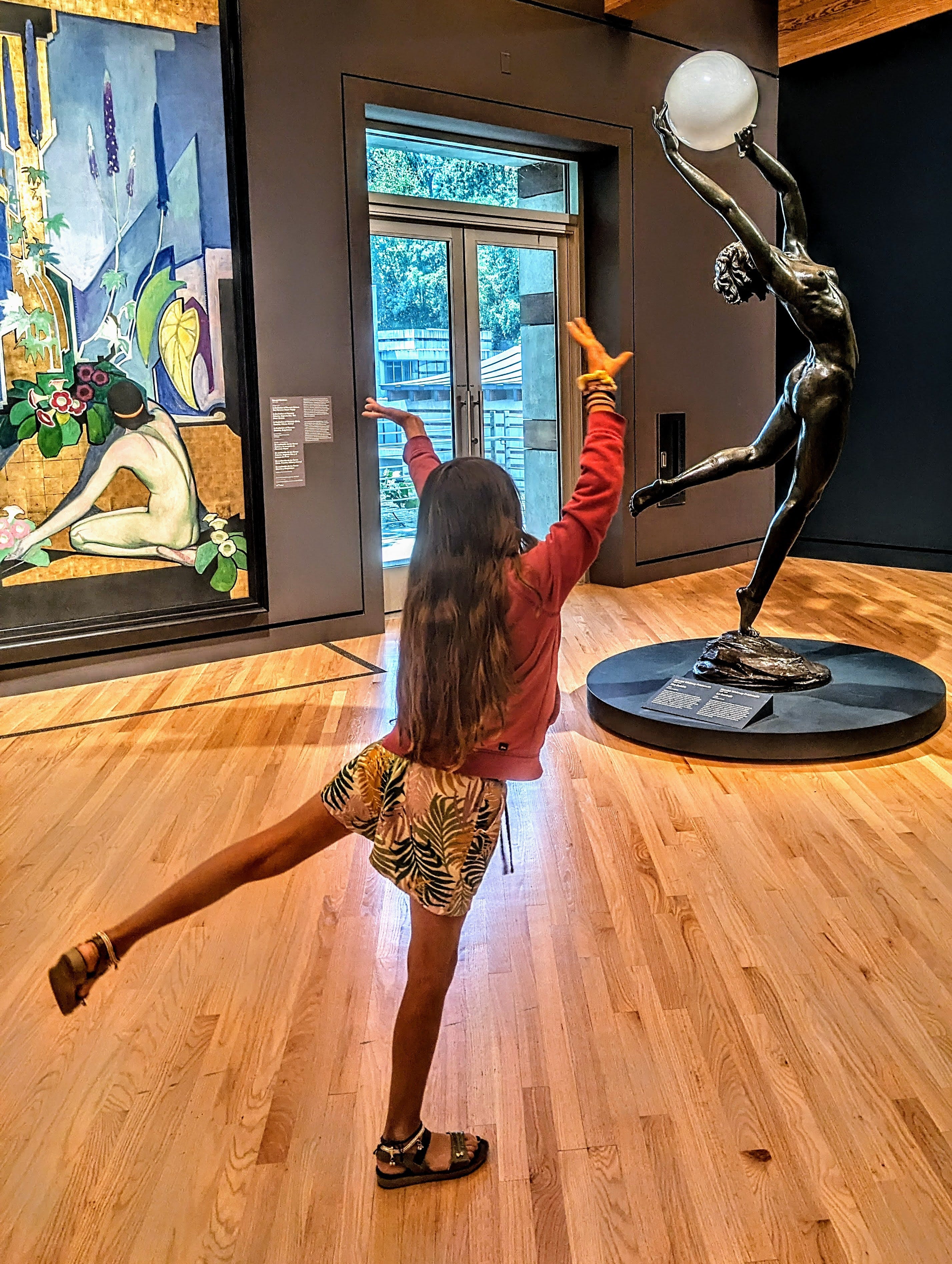
White walls are not naturally inviting to a seven-year-old, but one of my favorite memories is my youngest’s first visit to a real art museum.
We’d of course been to museums before. The Natural History Museum — referred to as the “Dino Museum” in our house — might as well have been the playground when my kids were little. My kids ran about, tinkered with exhibits made for children’s hands, watched the animatic dinosaurs roar, and even panned for gold in the “old west” section.
But a real art museum is different, isn’t it?
Art — untouchable — sitting on a white wall. Far less inviting to a child. And children need to feel invited to a space. Without that, these empty rooms can feel clinical. Dull. Distant.
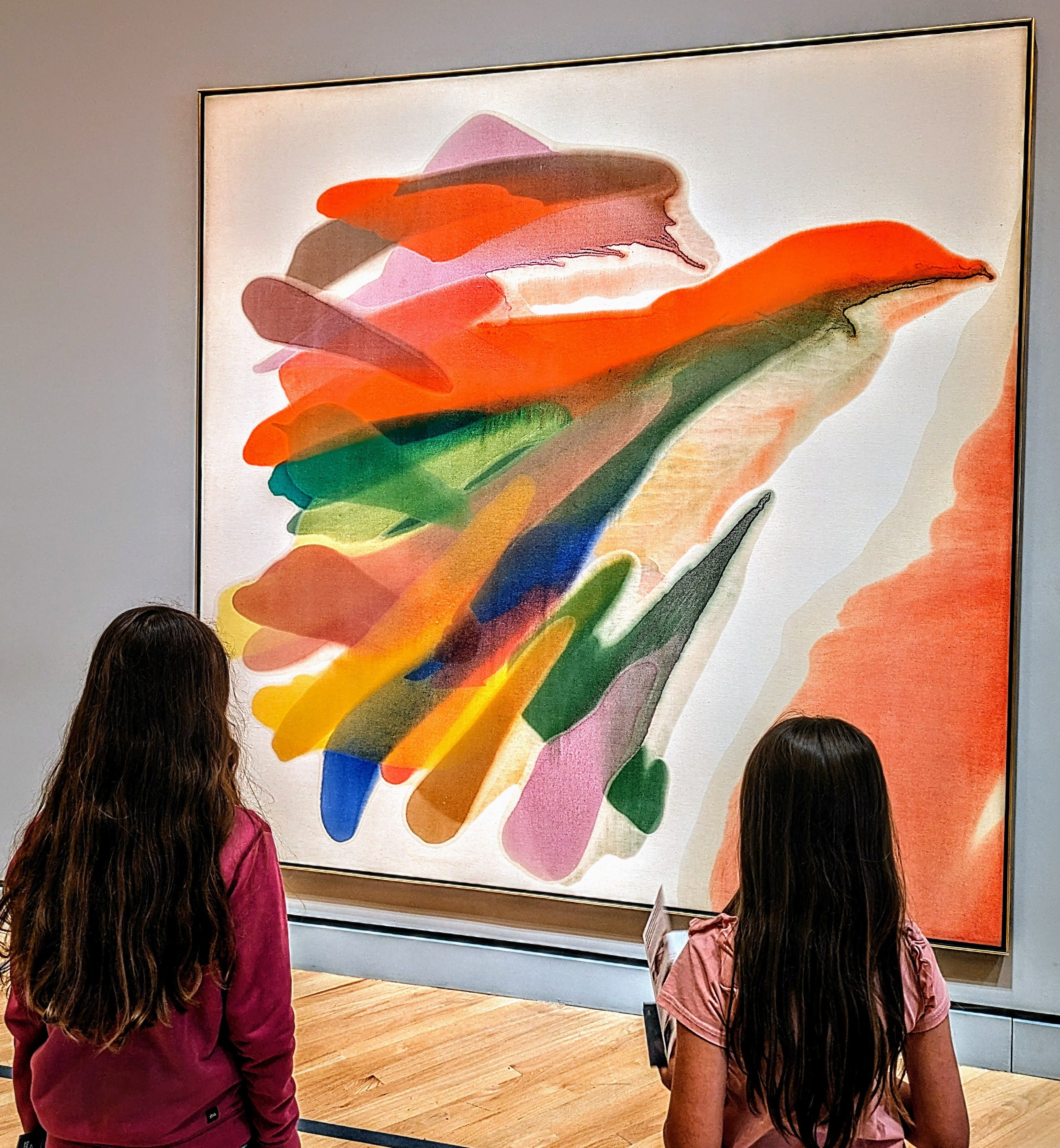
The first art museum I member enjoying was a humble one in Indiana. I’m sure it wasn’t extraordinary—and I’ve certainly visited more impressive ones since. But I’ll never forget it, because it was the first time art came alive for me.
It didn’t come alive on its own.
My mother showed it to me.
She was a volunteer docent. She knew every piece. She took me by the hand and taught me how to look — to see beyond what was there.
Alone, I’m not sure I would have “gotten it.” I might have walked through and forgotten. But with her guidance, art came alive. I still remember walking into a room with a large black painting on the wall.
She asked “What do you think?”
I said “It’s not very interesting.” (I wasn’t easy to impress, friends)
She said “Go, look closer.”
I walked forward, and that painting wasn’t a painting at all. It was a carefully crafted illusion. It felt like magic.
In the years that followed, my mother would introduce me to the best art in the world. She would tell me its stories and change the way I felt about art forever.
I want my children to have the same relationship with art that my mother has.
I want them to see art as not just beautiful but alive — to feel the power of stillness, linger over brushstrokes, and stay long enough for its stories to unfold.
I planted seeds for years before we ever stepped into a “real” art museum.
But even still, I didn’t know how they’d react. I never imagined how much they would love it. They begged to go back the next day. Two years later, they still ask when we can return — it’s a long way away. They were 7 and 9.
But their delight didn’t begin that day.
It began years earlier.
Here are the simple, joyful steps we took.
They’re easy to start today, cost almost nothing, and bring so much wonder. I hope they open the same doors of delight for your family.
For more articles like this in your inbox, consider subscribing
1. Begin with Museums That Feel Like Play
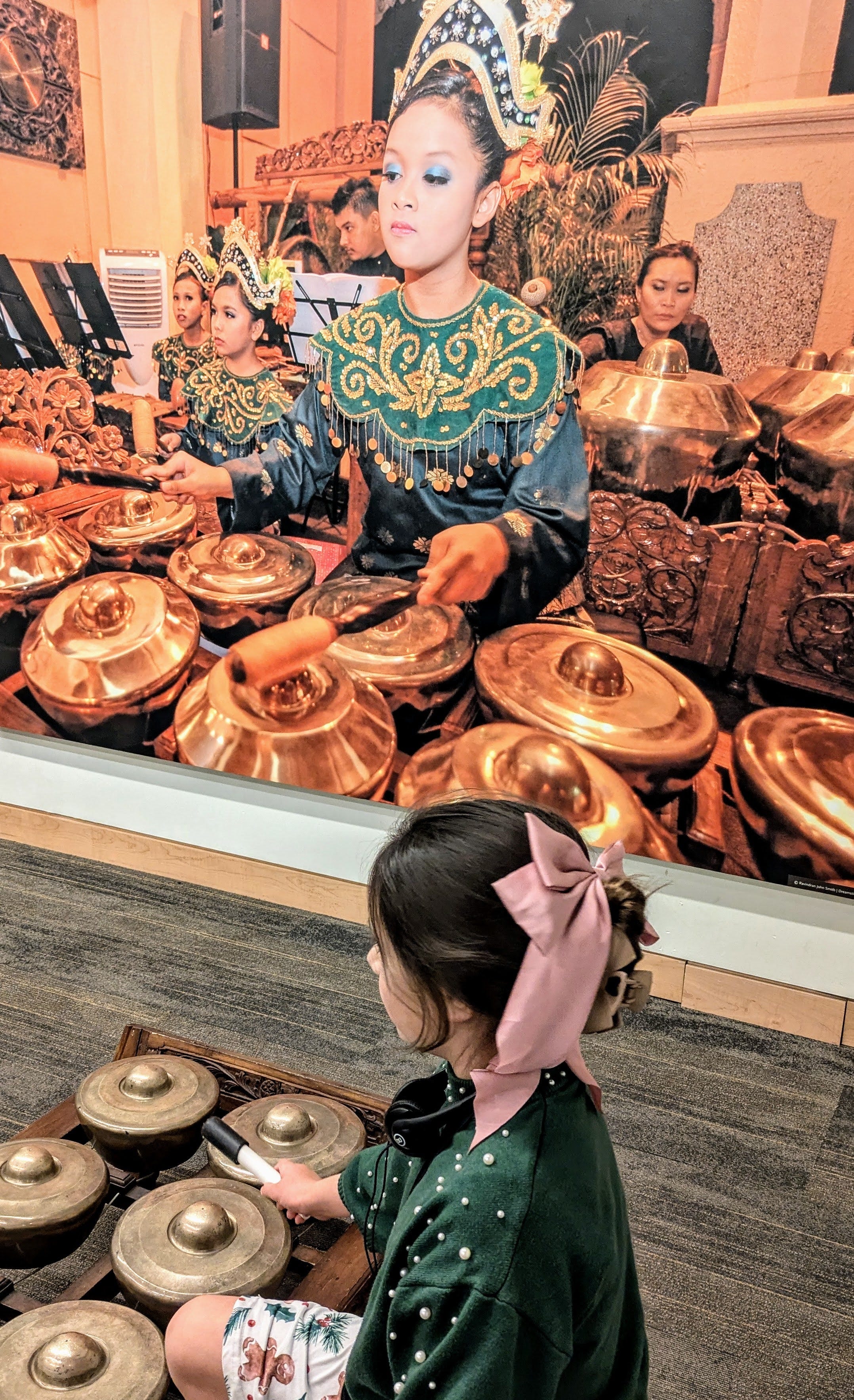
If you want children to fall in love with museums, don’t start with the serious ones. Begin with places that invite running, touching, building, and experimenting—children’s museums, science centers. Look for specialty museums like the Museum of Illusions or the Musical Instruments Museum
These spaces quietly teach → a museum is a place where you engage.
To this day, if I say “Let’s go to the Dino Museum,” my children light up.
2. Observe Through Drawing
Once children feel at home in museums, invite them to look more closely.
My favorite way? Drawing.
Bring simple sketchbooks. Kids love to doodle what they see → trees, faces, strange shapes, bright colors. Anyone who’s ever taken children outside to draw flowers or clouds knows how natural this is to them (see picture).
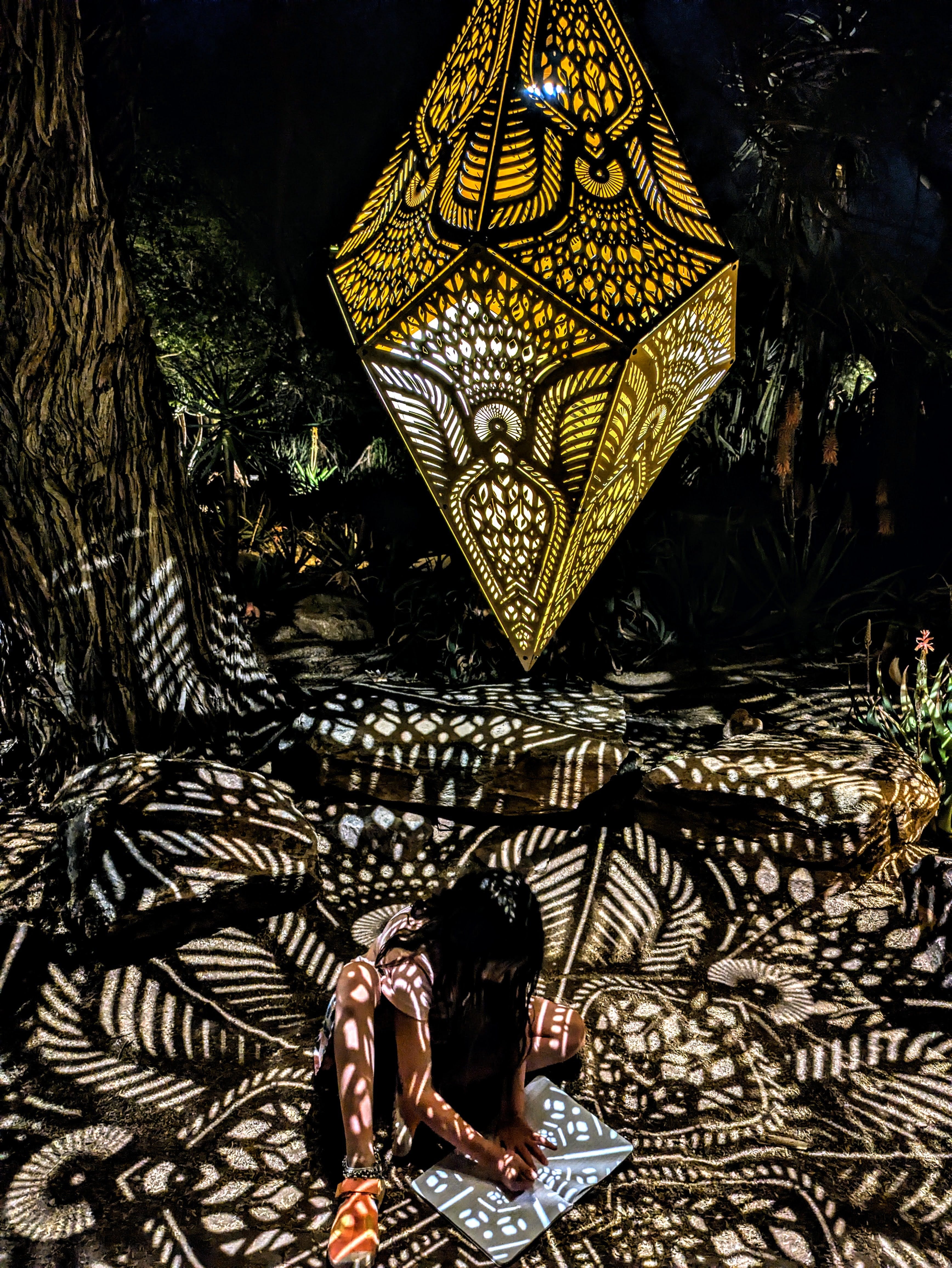
Observation is a joyful skill.
It grows through happy practice. When they sketch, they’re not “studying”—they’re playing, noticing, and remembering in their own way.
3. Step Inside the Painting
Next, help kids learn how to really look at a painting by stepping inside it.
Landscapes are the easiest place to start. Ask gentle, imaginative questions about their senses:
“What does it smell like here?”
“Is the wind warm or cool on your face?”
“Would that tree bark feel rough or smooth?”
“What would those strawberries taste like?”
Then move deeper by placing themselves in the scene:
“Would you walk down that path or climb the mountain?”
“What’s hiding behind the barn?”
“Would you want to play inside this painting—or that one?”
These questions turn a flat image into a living world to encounter.
4. Go Deeper by Learning How Art Is Made
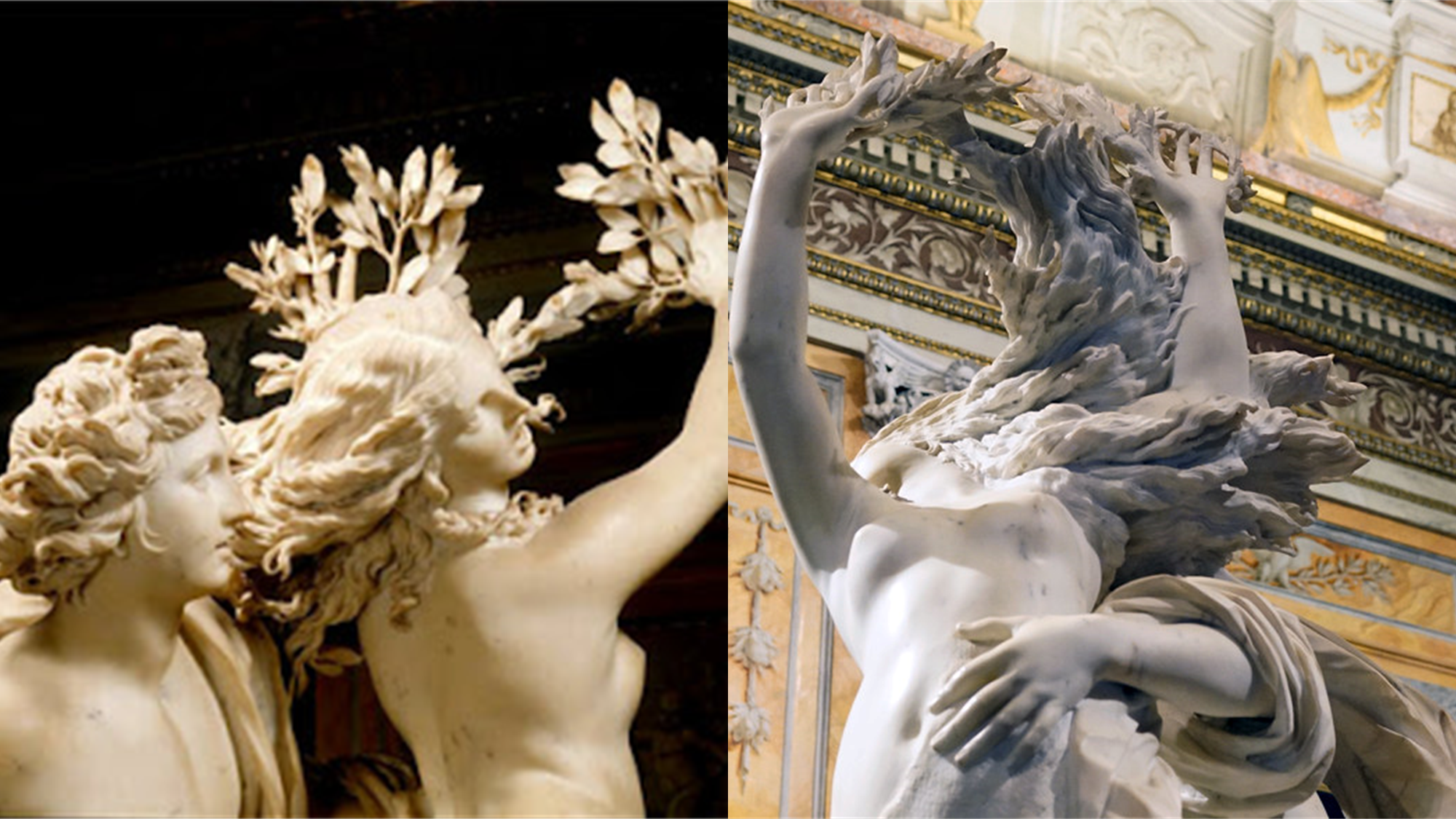
One of the most magical things my mother ever showed me was Bernini’s Apollo and Daphne (see picture) — delicate leaves and flowing hair carved from solid marble.
It felt impossible, like pure magic. I can’t take my children to see it in person yet, but we’ve studied it from afar — and much more than that.
We watched how sculptors bring stone to life: videos of stone being pulled from the Earth, specialized chisels striking rock, rough blocks transformed into faces and hands. I actually wrote a whole post on this experience so you can do the same with your children: Teach Inductive Reasoning, History, Literature, Geology, & Art with Bernini’s Greatest Sculpture
Because my children have seen the effort it took to make Bernini’s Apollo, they are entranced by sculpture now.
They know these aren’t toys—they’re hours (sometimes years) of human care and skill made visible.
When children understand how art is born, they see it as something extraordinary and precious.
5. Learn the Artist’s Story
A painting is lovely on its own, but its story can make it unforgettable.
When my mother introduced me to Caravaggio, I thought his work was nice. Then she told me he was the first to use real, everyday people as models for sacred figures like Mary and Jesus — and the consequences he faced for it.
Suddenly his paintings weren’t just pretty; they were bold, brave—acts of vision.
A painting’s story turns it into something far greater than art—it becomes a window into the past and a builder of character.
6. Enter the Great Conversation
Art isn’t static—much like literature, it’s part of a conversation.
Knowing the Greek Myth of Apollo and Daphne changes the way you look at the sculpture. Daphne is fleeing. She desires escape so much she turns herself into a tree—forever.
Look at the sculpture again, do you see something different now?
Classic western art uses classic stories as its muse—the Bible, Ancient Myths, Folktales, and Shakespeare → the stories I wrote about in The Four Stories Your Kids Need to Read Everything Else.
When children recognize those threads in not just in literature but in art, paintings stop being “just a picture” and become part of a bigger, living dialog with their ancestors.
Invite children into the world of museums.
Build a warm, welcoming relationship with art—through play, looking, wondering, and questions.
Once children feel at home there—they will ask to return.
🌺Because a museum isn’t a place you conquer; It’s a lifelong friend you return to over and over.
For my beloved ClarifiEd Companions,
I’ve put together a “Step Inside the Painting” question guide you can print and tuck into your bag for your next museum visit.
I’ve also turned the questions into cut-out cards, so it can become a joyful game to play at the museum.
I’ve also included my favorite beginner artist book and a few free online resources that have helped our family learn about artists’ lives and the stories behind their work.