


✨I remember sitting down with my four year old who could barely hold a pencil and thinking, How will we ever go from here to 5 paragraph essays??
As adults, we think of writing as essays, research papers, persuasive arguments. That’s what I remember from school and my career anyway.
But as I corrected my daughter’s “d” to a “b,” it was clear I needed to think about writing differently… very differently.
So I did what I always do when I stumble: I started reading. I read about how to combine phonics with handwriting, whether to teach cursive or print first, when to introduce typing, a deep dive into cognitive development followed and on and on.
But by far the most helpful piece of information was this…
As adults, we think and write at the same time. As I write this sentence, that’s what I’m doing. But children don't. For them, handwriting and thinking are completely separate skills.
Almost all of a child's attention is spent physically forming letters. They can’t also organize ideas, choose words, or craft beautiful sentences. So, the goal of early writing is merging the physical act of writing with the mental act of thinking.
This one reframe shifted how I thought about writing entirely.
First, learning to write letters is much closer to drawing than it is to writing essays. That changed the kinds of practice I valued. We spent more time emphasizing beauty, form, drawing, and even a few playful forays into calligraphy.
Second, I needed to train my children to speak and think well. Great writing is great thinking after all. Which meant I needed to train my children’s thinking just as much as their handwriting. They needed exposure to elegant words and a foundation of wonderful things to think and talk about!
This simple framework was so liberating. It took the pressure off. We got to just revel and enjoy these early stages. It paired beautifully and naturally extended from falling in love with reading.
Today, I’ll walk you through how I helped my young children fall in love with writing. It wasn’t always easy. As I wrote in From Writing Tears to Writing Novels, my oldest didn’t always have a love affair with writing.
But we found our way - and you will too.
Ready? Let’s begin.
This article is part of my Falling in Love with Learning series, where we walk through how to cultivate genuine love for reading, writing, math, and beyond.
If you’d like to get these in your inbox every week, you know what to do.
✨Training the Hands for Writing
Build Strong Hands That Match Their Busy Minds
There’s a reason kids do so much coloring and cutting in kindergarten. It’s building their hands for writing. Just like runners weight lifting - your kids need to train for writing.
So let them color while you read to them - but do more than that!
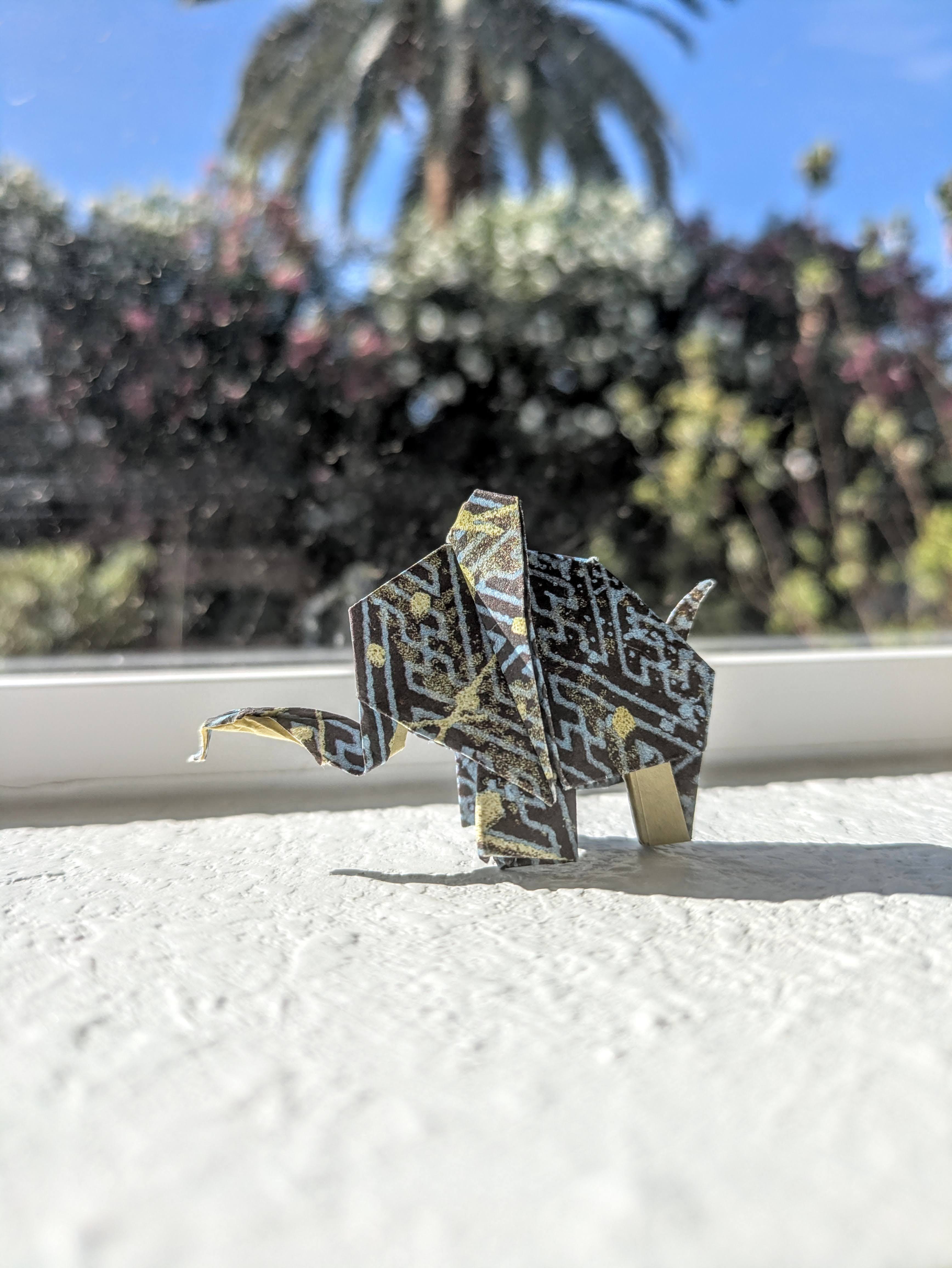
Teach them finger crochet and beginner origami. Take drawing lessons and explore calligraphy. These build dexterity while training their visuospatial brain which does tremendous things for their learning not the least of which is improve their math skills (for more read: How to Improve Your Kids Math Without Doing Math).
Pair Handwriting and Phonics for Better Learning
Learning to read should be a holistic, sensory, whole body experience.
Kids should be seeing the letter, hearing the letter, saying the letter, writing the letter. This doesn’t just help them learn better, it helps connects all those different parts of their brain. This methodology is especially important for children with dyslexia, but it’s best for all kids.
Cursive First Is Worth It
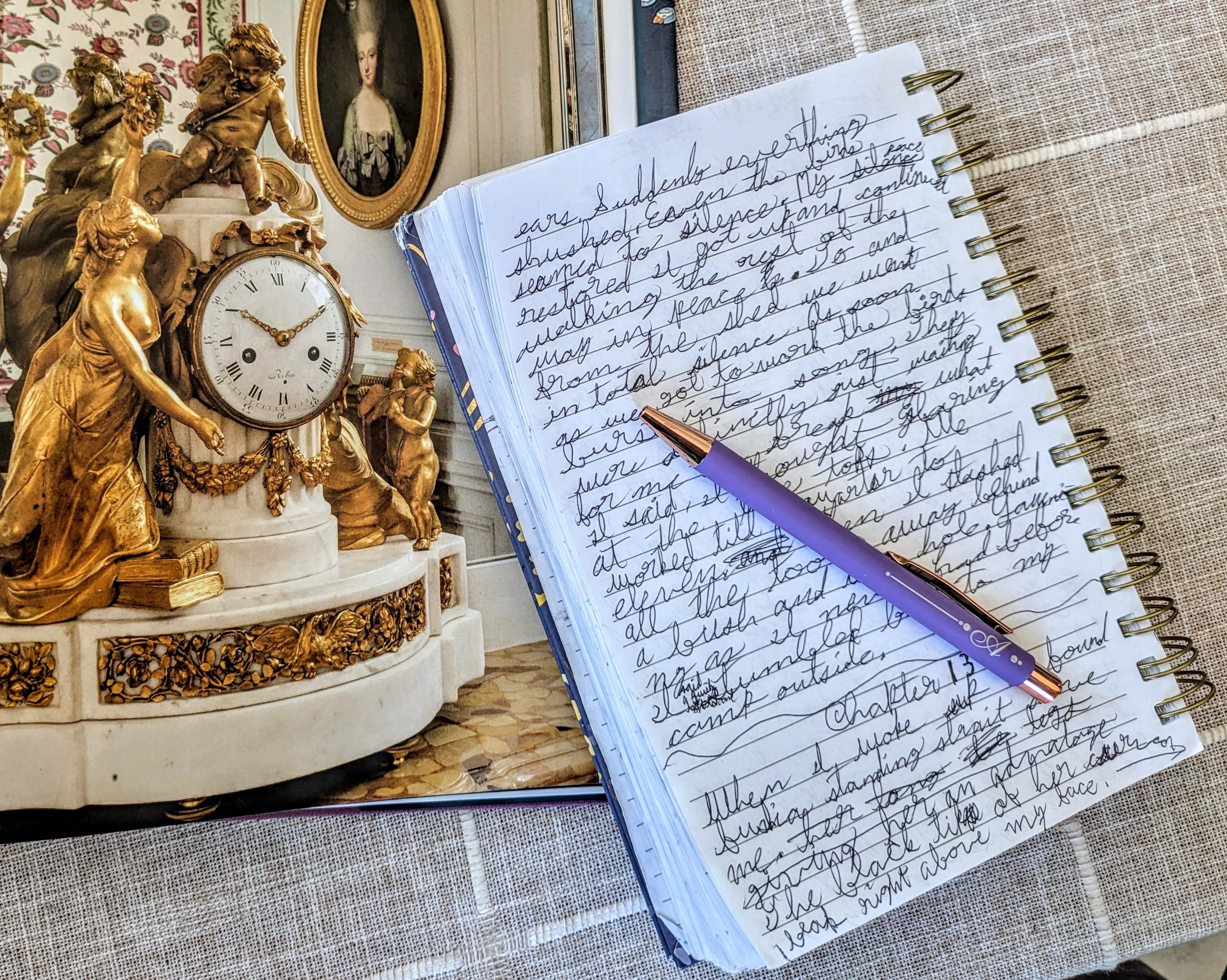
Your child will prefer to write the way they were first trained. If you chose print, they will write in print. If you chose cursive, they will write in cursive. But print is easier to pick up after cursive while cursive is harder to pick up after print. For example, my oldest learned cursive first and writes like this (see below). She can do print easily. My youngest learned print first and despite a TON of practice won’t use it.
Cursive is more complex, trains the visuospatial brain (which as mentioned is really important), and for most kids it reduces letter flipping! It’s worth it friends.
Handwriting Before Typing
I’ve written extensively about this in Why Teaching Handwriting Matters in the Digital Age, but typing and handwriting are very different skills to your brain. Typing is less complex and less demanding. Make sure handwriting comes first. More on typing in Q&A section.
Make Handwriting Practice Fun by Changing Where You Practice
My kids loved dry erase books for handwriting practice. I let them use the same markers to do spelling lessons on the windows. Think outside the box. Hard to go wrong!
Copy the greats
Want your kids to write like Hemingway start by copying him. You think I’m kidding, but having kids do copywork is so beneficial. My kids loved copying pages from their favorite books. It made them feel very grown-up, and every five year old wants to feel grown up.
Copywork slows children down long enough to notice how beautiful writing actually sounds and looks.
Whatever your kid loves - a poem, a novel, a magazine - let them copy it into a special notebook. Ensure they are copying proper punctuation. This is a natural way, and delightful way, for them to train their hand and absorb grammar (advanced grammar must still be taught but we’ll get to more of that in ages 8-10).
Learn a Second Alphabet Too
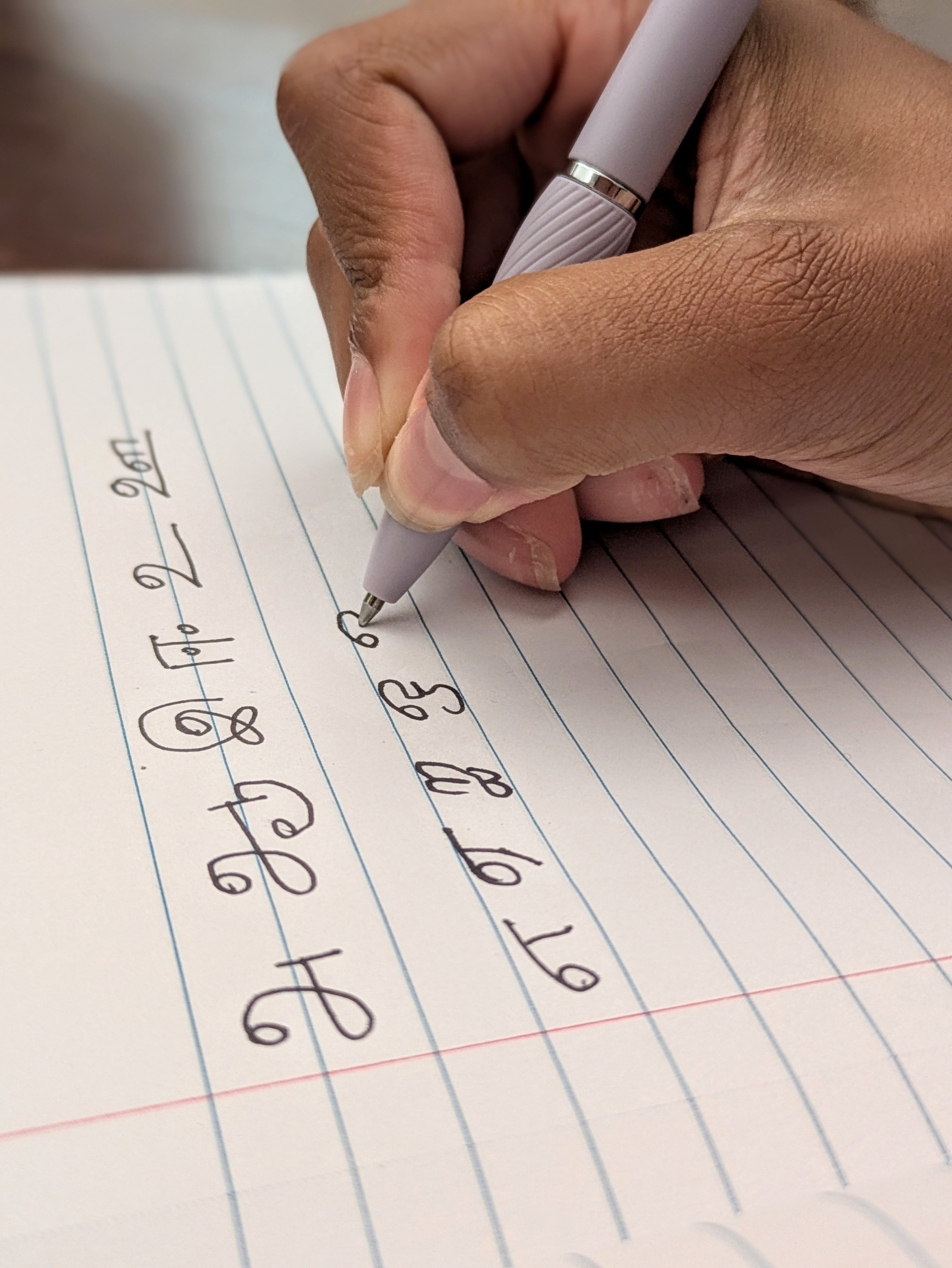
My kids traced and learned how to write Tamil letters (my husband’s native language). Teaching this skill makes it easier for them to learn English letters which are far simpler. If there is an foreign language that you’re thinking about introducing your kid to long-term, have them do some copywork early. you won’t regret it!
✨Raise a Child Who Has Something Worth Saying
Great Speaking Comes Before Great Writing
Children can’t think and write simultaneously yet.
They can, however, think and speak.
When you ask a little kid Who is this book about? often they’ll say Bob. We want them to say This book is about Bob, a complete sentence. It sounds pedantic, but kids must speak with confidence and clarity.
You can help best by getting really, really engaged in language with them. The more comfortable they are sharing and expressing their ideas to you orally, the better and better their writing will be.
NOW is the time to have incredible, rich conversations about everything. Kids these ages love anything you are excited about. Take them on field trips, explore your backyard. Ask them How do you think this works? Why do you think the butterflies all like that plant? If they ask you a question, model thinking out loud on your feet or figuring the answer out together.
There are few things better for your kids than having rich conversations with them.
Your Most Powerful Tool? Narration
I loved listening to my children tell me their stories. Sometimes it was what happened in dance class or what a friend told them. But I also remember how hard it was to understand right away. The teacher said what? How did you guys get outside?
Children don’t quite yet know how to organize their thoughts.
So have them practice through narration.
Have them tell you about the story they just read - or tell Dad, Granddad or sister! Kids love to share and by doing this over and over kids will learn how to carefully explain a situation. What is important. What can be left out. How to make it amusing. Ensure you are an active listener. Ask questions. Be attentive. Do this enough and great speakers and writers you will make of them.
Read the Best Books
One of the more frustrating advice I receive is “Teach your kids HOW to think not what to think” Sure. Totally agree. But HOW do you teach kids HOW to think?
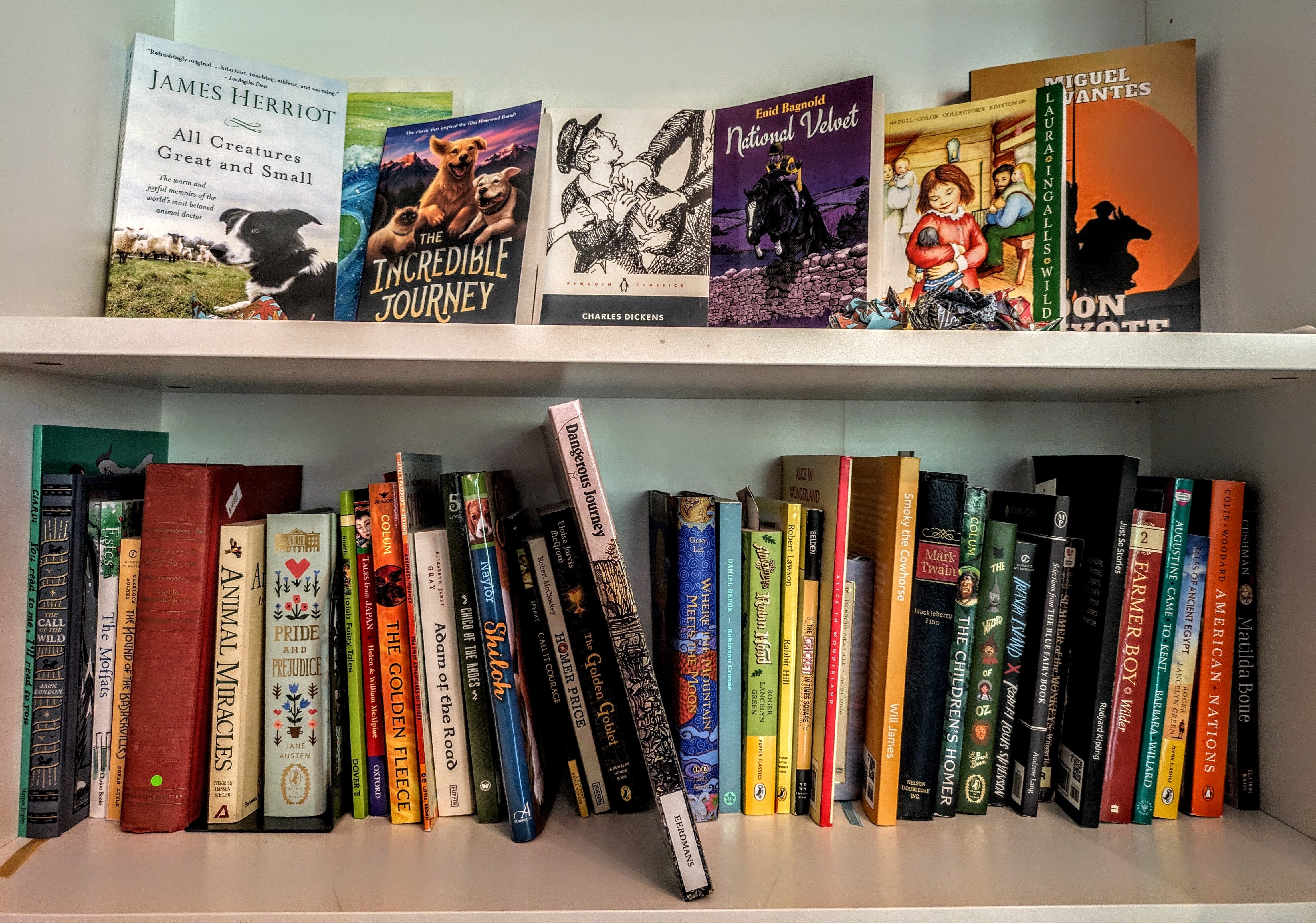
Well, it starts with giving them something to think about. The best places are rich literature, science, and history. Everyone knows that reading a ton enhances writing skills, but they often think it’s just about syntax, grammar, and vocabulary. That’s just the beginning. It’s about having context, depth, and the ability to compare from a deep background.
So, read to your kids the best — the very, very best. Great thinking will come.
Celebrate Big Words and Rich Language
Whenever your child uses a complex word, the first words out of your mouth should be an enthusiastic Excellent Word! I recently started this with my nephew and it was immediately clear that he upped his word game. Kids also need to hear you using complex words fluidly. If that feels daunting, classic literature is the most pleasant way to increases exposure to both complex vocabulary and syntax/grammar which they will then use in their own writing. But above all, just love talking and reveling in language with your kids.
Memorize and Recite Poems, Epic Stories, and Speeches
Let kids get a taste for what great oration sounds and feels like. My children’s writing was transformed by memorizing Shakespeare. They started using alliteration naturally and carefully selecting words. Such a simple habit that goes a long way towards helping your children become exceptional writers!
✨When Thinking Meets Writing
I’ve spent a lot of time talking about handwriting and about building your child’s thinking and language. Now comes the beautiful part: the merging.
It sounds difficult, but if you’ve been nurturing both skills separately, it happens more naturally than you might expect. There aren’t many tricks -just be patient.
Don’t push. Don’t overcorrect. First, help them write single words with care. Then a sentence. Then a paragraph. If you are doing things in this post, they will naturally start to play with language, vary sentence lengths, experiment with unique words or complex syntax. Let them. Gently correct when needed. Patience will reward you.
You’ve now laid the foundation for exceptional writing.
The next stage (ages 8–10) is where writing truly begins to come alive. That’s when children discover their voice and learn to write with purpose, confidence, and creativity. I can’t wait to share that journey with you next!
🌺For now, take a deep breath. These years are precious. Enjoy every minute of it.
Thank you so much for reading! ♥️
I hope this guide gave you a new way to think about teaching writing - and perhaps a little more confidence as you begin this journey with your children.
Have more questions like 👇
My child hates writing — what should I do?
How much writing is enough at this age?
Is my child behind? What are the red flags to look out for?
Is it normal for letters to still be backwards?
When should we start typing?
I answer all of these (and more) in the full Q&A, available exclusively for paid supporters. I’d love you to join us♥️
PS. Paid supporters also get access to a private DM link to ask their own questions.